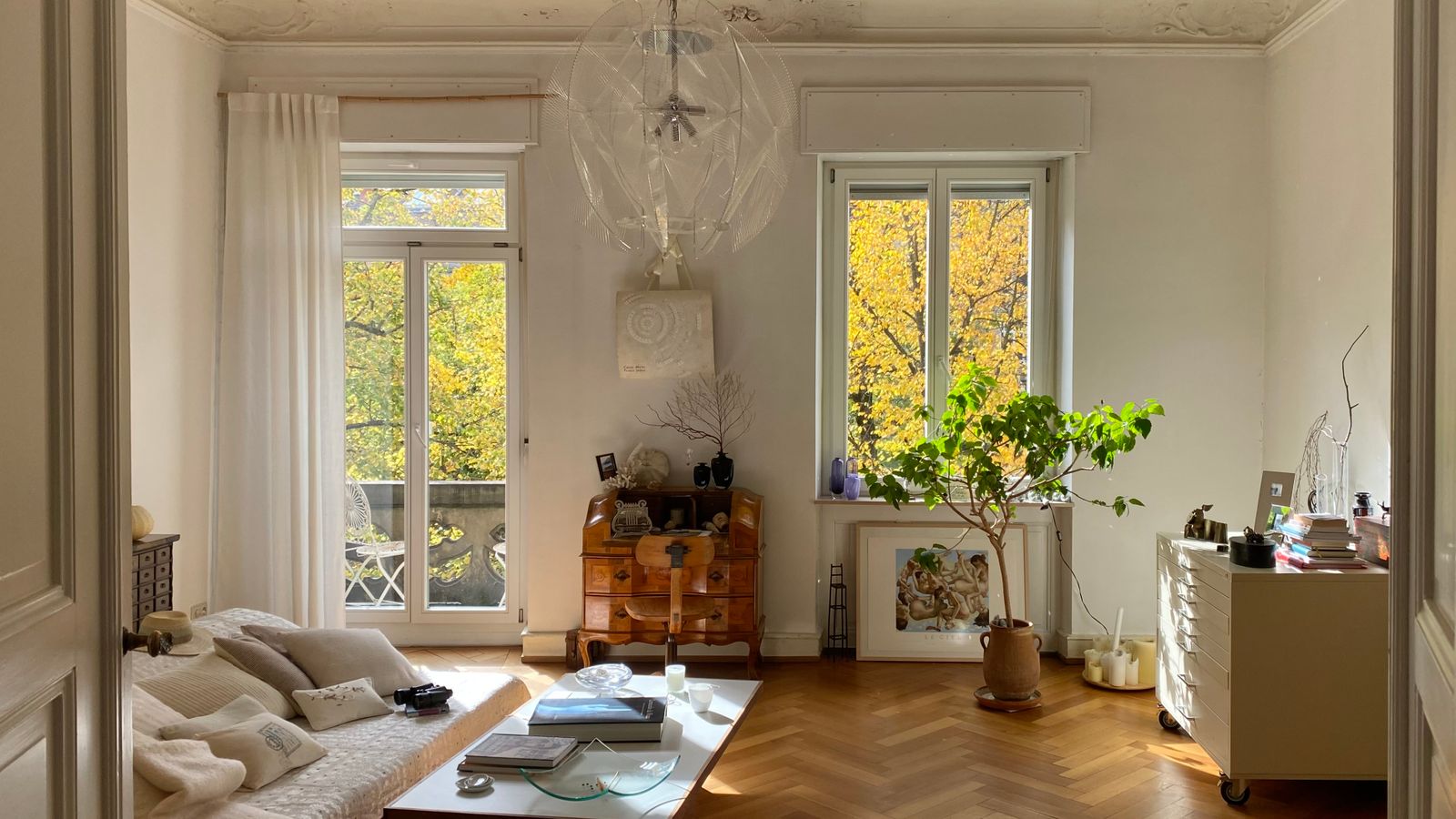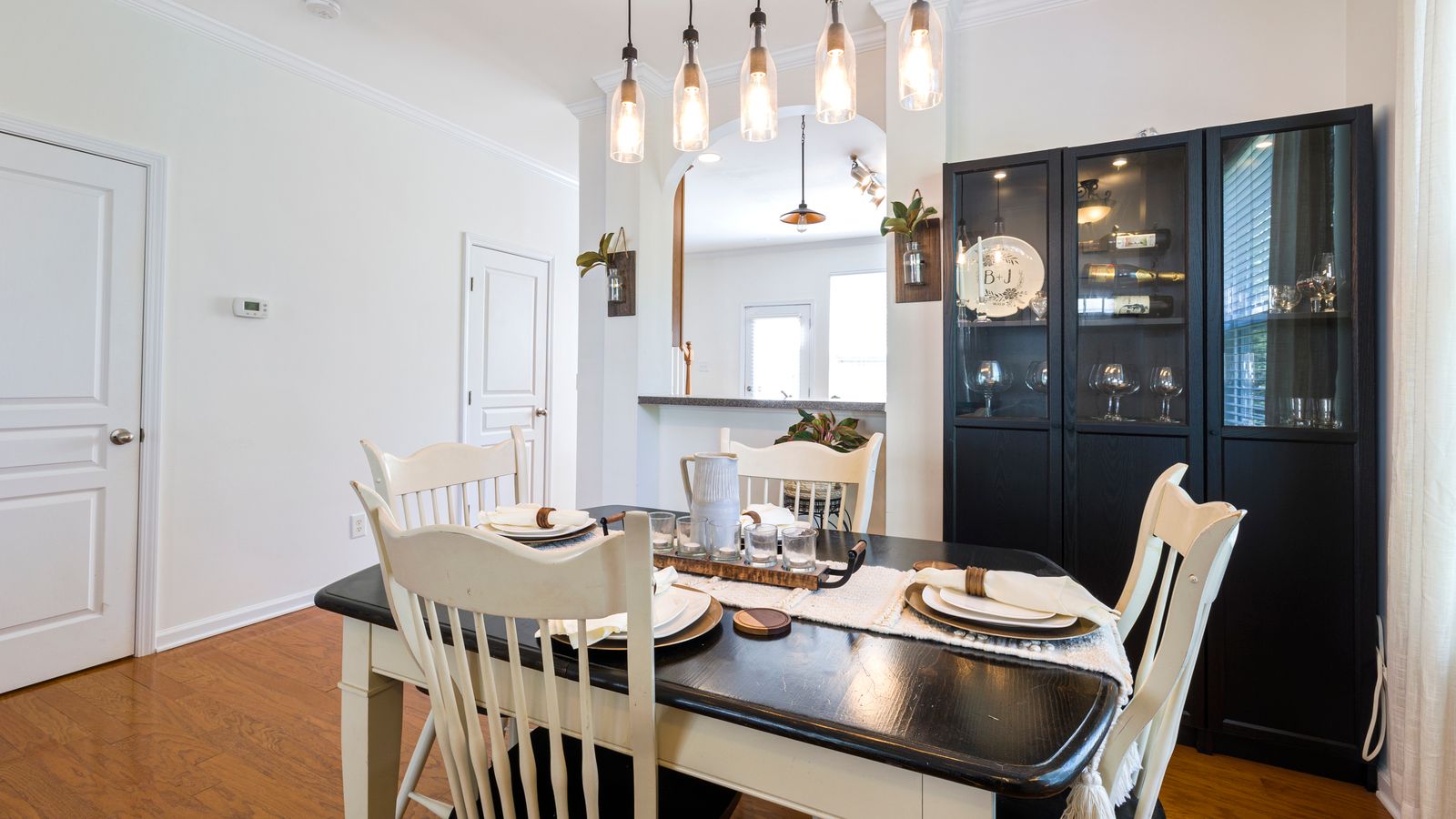
Use reflective surfaces where they borrow useful light
Place mirrors and pale finishes to improve daylight without adding troublesome glare.
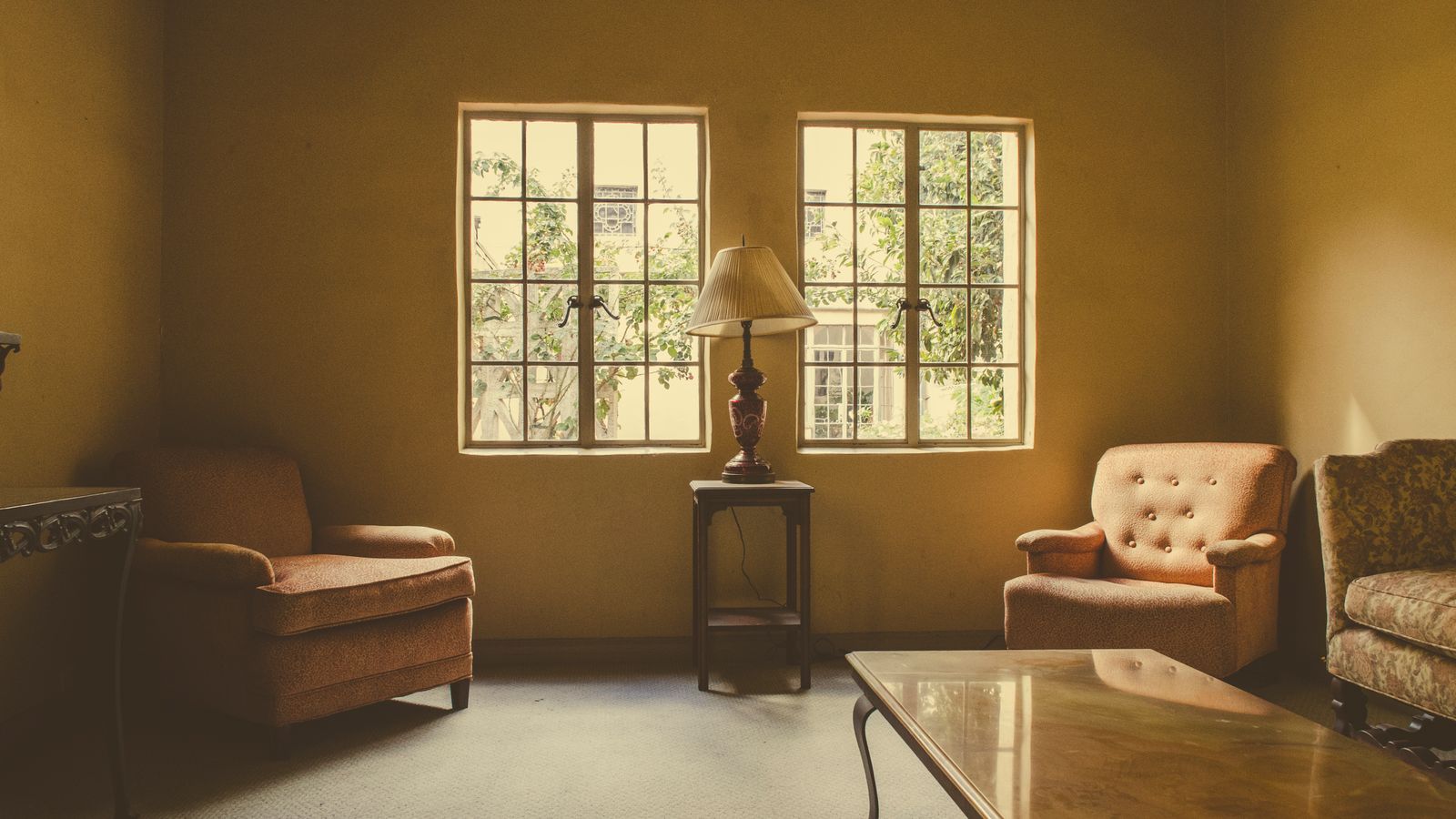
Give the mirror a particular view to borrow
A mirror added to a dark end of a room can introduce daylight, a view of another wall or an unexpected white rectangle across a chair. The difference depends on what is in its view and where you look from. Start with one purpose. Perhaps a seat beside the entry needs a brighter background. Perhaps the room feels closed when you approach a corner and a reflected view of a window would make it easier to see across. Write down the view or surface you want to change. A mirror that shows little daylight from the place that matters may still be attractive, but it has a different job.
Stand where you normally notice the wall. Look at the positions opposite and to each side of the proposed location. A mirror facing a bright window may reflect that window toward the seat or entrance. A mirror on a side wall might reveal a quieter stretch of window or a light colored surface from the same viewing place. Try the view in the late afternoon or other hour when the strongest light reaches the glass. See it from sitting height as well as standing. The place where the reflection seems useful can be a few feet away from the place where someone spends most of their time.
Look for ordinary things you would rather leave out of the new view. A visible door can help orientation. A view of piled coats or the bright side of a television can catch your attention every time you pass a mirror that occupies a large area. Scan the rest of the room before fixing the idea of where the piece goes. Make a note of the places where a second reflection would show something interesting and where it would only add another view of the same furniture.
Simulate the size and the reflection separately
Mark an approximate outer outline with an appropriate removable material or hold up a sheet of light paper with help. Check that its position makes sense in relation to shelves, switches, trim and the height of the furniture. The paper can show the size and margin but does not show where light goes. For the reflection, try a small movable mirror securely supported at a safe height, or ask a helper to hold it in a safe position. Keep the test piece well away from an open flame, a heat source and any path where a reflective patch could distract someone using equipment or stairs.
Move the small mirror around within the proposed outline. Ask what it reflects near the upper and lower positions, from each relevant seat. A small mirror placed at center provides one view, while the larger version may catch something else at an edge. Mark the locations where distracting objects or bright window areas enter the result. If a good view only appears when the piece is angled or shifted, use that result to discuss the mounting options available for the final product. Avoid propping a large mirror loosely in place to reproduce the effect by yourself.
Try two wall positions far enough apart to teach you something. Compare the surface across from the window with a side location, or compare a higher position that catches a lighter wall against a lower one closer to furniture. Think about the light reaching the room around it, not only the image itself. A small area of pale wall in the mirror can make a broad and comfortable view. A bright hard reflection in a nearby screen may cancel that advantage. Switch between positions while sitting in the same place to see which part of the result is changing.
Follow a patch of brightness before settling the location
When sunlight enters at a direct angle, observe where any new reflection goes. A point that looks pleasant when the sun is behind cloud can become sharp for a brief period on a bright day. Keep the trial at a safe scale and do not aim a reflection at people's eyes or toward other homes or routes. Note what happens to the intended reading corner and a nearby screen. If a distinct reflection is only present in one direction, moving an object or choosing a different wall might be easier than relying on closing a blind at the same hour every day.
Also watch when the room is overcast. A bright patch might disappear, leaving the larger reflection of a light gray wall or a window view. Decide whether that difference still helps. A mirror can feel like another opening without actually making a task surface clear enough to use. Try reading, writing or another normal action before expecting reflected light to replace an appropriate task light. Compare a spot that gets enough light without effort to a spot that only looks brighter from farther away.
Take an evening look using the fixtures you have. A bare bulb or bright directional fitting can reappear in the mirror even from a chair that does not face the source directly. A polished shelf may reflect a set of small ceiling lights that did not register in daylight. Turn the lights on individually to see which one creates the reflection. If it is useful in one position and uncomfortable in another, consider moving the surface or using a different finish before changing all of the lighting. Record the weekday conditions that mattered, especially the ones another household member can reproduce.
Try a softly reflective surface where a mirror is too much
Reflective does not have to mean image-forming. A light toned matte paint, a satin material or a lightly finished panel may help a wall appear brighter without showing a recognizable view across the room. Try samples on the intended surfaces at the same hour. Look for the size and character of the bright area, as well as the color. A plain surface with a low sheen can keep attention on the furniture itself. A glossy material can give depth to some details and emphasize marks or glare in other positions. Use your actual room as part of the decision.
In a passage where a strong reflection feels distracting, try a pale panel opposite whatever light reaches the wall. Consider whether the effect changes the view into adjoining rooms or just makes the single surface easier to see. Near a table, test a sample at the right height. A brightly polished top can give you a duplicate view of a pendant while a softly finished one offers a calmer lighter foreground. See it from a low angle if you use the table sitting. The result can be practically different even when both samples look almost the same viewed flat in a store.
Ask the surface maker how the material is cleaned and what it can tolerate at that position. A mirror near a sink might need frequent wiping at the bottom, and a polished panel at shoulder height may show touch marks. Check whether a particular coating or edge has specific care limits. A less reflective sample that fits the way you maintain the room may continue doing the job with less effort. A mirror in a lower contact area can stay useful if you can reach the surface and clean it as directed.
Let the wall decide how a heavy piece can be fixed
Once the light and view work, investigate the actual wall and proposed mirror. Get the product weight, dimensions and manufacturer's mounting instructions. Decide whether the fixing is compatible with the wall and suitable for the room. Ask an experienced installer to check the substrate and any concealed risks where you are uncertain. Be specific about the location, especially near wiring, plumbing, doors or a spot where a person can pull or lean on the piece. A good visual location only becomes the intended location when it can support the installation safely.
Plan this work before expensive finishes go on. If a mount needs preparation or changes behind the finish, ask the installer what is involved and who will repair the surrounding surface. Confirm access to the fixings and any future removal or cleaning procedures. Keep the temporary smaller test piece separate from the actual proposed attachment. A heavy mirror handled securely can require more planning, people or equipment than a photograph of the same product suggests. Follow product guidance and qualified advice for the final move and installation.
Review nearby objects before settling the height. Check that a cupboard, tap or shade can still move through its ordinary range, and that the edges do not sit where somebody commonly handles long objects. Note which wall area you need to reach behind or beside the piece for care. It is easier to anticipate a need for clearance while the paper outline is still taped to the wall than after the finished piece covers it.
Judge the final view while using the room
Take the usual route into the room and sit in the place you meant to improve. Look to see which surface has become brighter and whether you have gained the intended quieter view. Repeat with the ordinary evening lighting and the window covering at its regular position. If a reflection unexpectedly travels across a seat or screen later in the day, identify the source before trying to change the whole room. A nearby lamp, a brighter curtain opening or the position of a small table can make an important difference.
Keep a note of the installation and the care directions. Photograph the view from the seat if you want to remember what you were trying to achieve. A successful reflective surface can be quite discreet. It may leave a corner gently visible, show a patch of sky just when you stop at the door or give the room a better view with its everyday curtains still open.