Give lamps jobs that overhead light cannot do
Build useful layers of light around reading, movement and evening conversation.
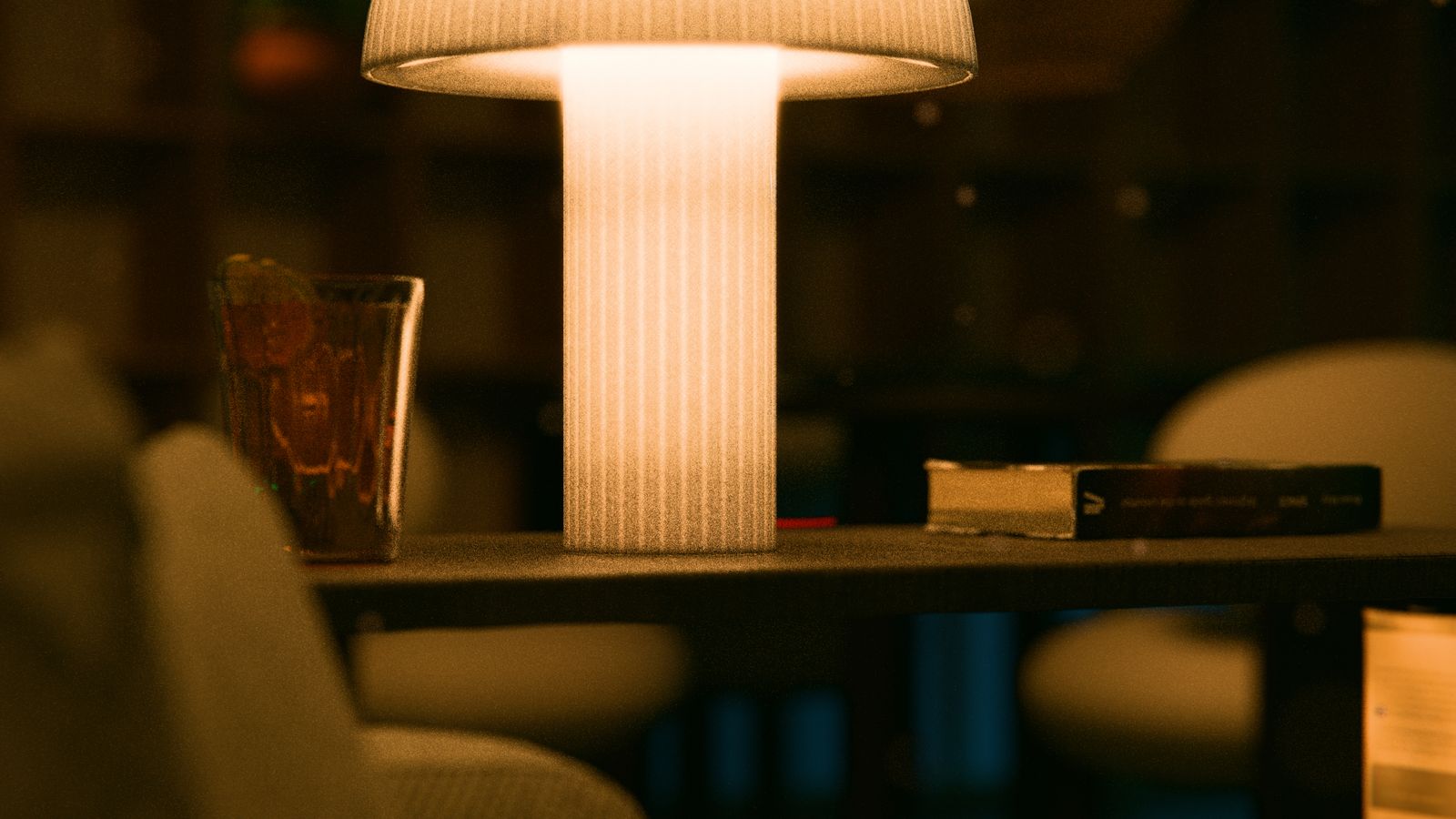
Turn off the ceiling fixture for a normal evening
What do you reach for first when you enter a room at dusk? You may need to take a coat off at the doorway, see a key on a dark table or settle into a chair with a paper. An overhead fixture can illuminate all of those objects yet make none of the tasks especially pleasant. A lamp can help by taking responsibility for a small area, provided you can use it at the right moment. Pick an ordinary evening to see where that small area ought to be.
Start with the lamp or lamps you already own and what people actually do. Sit with an open book and see whether your shoulder casts a shadow over the bottom of the page. Put a puzzle or colored thread on a work surface and check whether you have to lean forward to tell things apart. Then stand at the entrance and follow your usual route without turning the main light on during the test unless you need it for safe movement. A place that looked roughly lit from the chair may have a dark step or a face of a cupboard you cannot easily see. Record the places where a single position could improve what you do.
Look at two broader uses as well. When people talk, they often need to see one another without looking directly into a bulb. When somebody walks from the brighter room next door, they need a continuous route rather than a bright spot at its destination. Some rooms can support all of those jobs using two portable lights at once. Others need existing fixtures left on for safe movement. The point of the test is to let you decide what each lamp does rather than counting lamps by the number of corners in the room.
Move task light until your hands stop blocking it
For a reader, the most useful light enters somewhere around the shoulder and lands on the page. The exact spot depends on how the book is held and whether the reader changes position. Try a lamp to one side and slightly behind a chair, with the reader seated while a second person adjusts it. Move it in small increments. If the upper page looks brighter but the last lines disappear in a shadow when a hand turns the page, move the lamp or change the height. Check the same position with the actual book, laptop or project you use most.
On a work table, arrange the tools before bringing the lamp close. A task light behind the working hand can send a dark shape right where the pencil or needle lands. Moving it toward the other side may improve the view. A light aimed right at a glossy surface or paper with a glossy coating may create a sharp white area. Shift the direction and observe from the user’s head position. Avoid an arrangement that gives one person's place useful light and puts the visible bulb directly in the eyes of somebody sitting across the table.
Look underneath the shade. A top that seems modest from standing height can reveal a bulb when you settle into a low chair. Reflections can reveal the bulb again on a screen, even when a shade blocks your direct view. Sit in the least favorable place and note the bright sources you can see. Test a shade with a more covered opening or a lamp you can bring closer to the page at a lower height. Use a compatible lamp and bulb combination and keep the maker's clearances. A carefully aimed small patch can be easier to live with than a large pool that lights the ceiling and the screen behind you.
Give conversation light some distance from the face
Conversation benefits from being able to see both faces and objects set between them. Try a lamp that sends light onto a nearby wall or through a diffuse shade. Turn it on from the positions where people ordinarily sit. Let the softer reflected light contribute without making the person in a chair closest to the lamp uncomfortable. If one seat becomes a silhouette against a bright patch, move the light farther from the person or try a wall on the other side. A shade that looks pale in daylight can transmit a very different amount of light once the room is dark.
There is also a place for a light that reveals the middle distance. In a room with a sofa facing a dark opposite wall, a small lamp near a pale bookcase can make the room easier to see without another bright source beside people's heads. Pick a plain part of the wall and place the lamp at a safe distance. See whether that light shows the circulation route as well. If it creates a distracting reflection in a glass cabinet, vary the angle or choose another wall instead of changing every bulb in the room.
Keep the television and task light checks separate when you compare positions. In a room with dark glass on one side, a broad lampshade can remain a prominent reflection even when relatively dim. Set the screen to the sort of program you usually watch and look at it from the edge of the sofa. Then leave the reader's light on and see whether both uses can take place together. The arrangement might require a shaded reading light concentrated on the reader and a separate lower glow elsewhere. It might simply mean placing the same lamp farther to one side.
Build the arrangement around a switch you can reach
Decide how the lights will be turned on and off before settling their positions. A switch behind a low shelf probably won't be useful to somebody who sits down with a book then changes their mind about the brightness. If the switch is on the cord, see where it lands with the furniture in place. A lamp with a convenient switch may make more difference to how the room feels each night than a shade chosen for its daylight appearance. Consider the reach of the person who is likely to use it and the need to control light before crossing a dim room.
Check the ordinary cord route with everything in its final position. Keep leads out of paths, away from sharp or moving furniture and out from under rugs, where they cannot be seen or looked after. Use outlets and products as directed. If a desired lamp has no safe power source, try another position first. An appropriate electrician can advise on fixed changes if the room really needs them. A cable held in place by a regularly moved chair is evidence that the arrangement is unfinished.
Imagine that the light has been left off and a visitor needs to enter the room. Can they find the usual switch and reach the next doorway? Make sure the furniture around a bedside or reading lamp does not have to move as you operate it. If a remote controller or app is part of the plan, consider whether a physical control remains available when the remote is missing. An approachable switch has a small but persistent advantage when several people use the same room.
Compare light sources through the installed shade
Use the manufacturer's instructions to choose a compatible bulb, power range, socket and any dimmer. Compare brightness information rather than assuming that equivalent product names will produce the same appearance in your lamp. The bulb, shade and nearby surface all contribute to what reaches the page or wall. Try a bulb with the intended shade fitted, after the hardware is safe for use. Use the lamps at the settings you typically prefer and check the result from another part of the room.
Color descriptions can help narrow the range but fail to capture every effect. A fabric shade can warm the appearance of the light reaching a wall, and a green wall can look quite different when a lamp is near its surface. Take the decision back to the things that need to look right. Compare a paper or fabric you know under two candidate lights and then look at it from the place you will use it. If a bulb or control produces distracting flicker, poor dimming behavior or heat beyond what the fixture permits, follow the maker's advice and check approved compatibility rather than trying to adapt it yourself.
Planning for a room with multiple temperatures or brightness levels is easier if you see the combinations you will actually turn on. Two lamps turned on together might frame the room in a pleasant way, or one might dominate by sending a much stronger patch onto the wall. Try the light you prefer next to the activity it supports before attempting to align every lamp by label. Keep track of which bulb worked where so the appearance can be restored later.
Switch each lamp off and see what is missing
After a few evenings, turn off one lamp at a time while the room is in ordinary use. Notice whether you lose the light on a page, the background behind a conversation or a route through the dark side of the room. If taking a lamp out changes little, move it to the task that still calls for extra light before deciding you need another one. Repeat with people sitting in their regular places and leave the main light available whenever it serves a task better.
Give each useful lamp a simple reason to remain. A familiar chair might have a light that makes a paperback legible before bedtime. Another light might keep the route to the hall visible without filling the television glass with reflections. Check the reach of the controls and the cable routes once more after the room settles. You should be able to reach the light you want and leave the rest of the room in the condition everyone else needs.