Light a dim hallway around doors and turns
Improve wayfinding in a tricky passage with light placed at the spots people use.
Trace both trips through the hall after dark
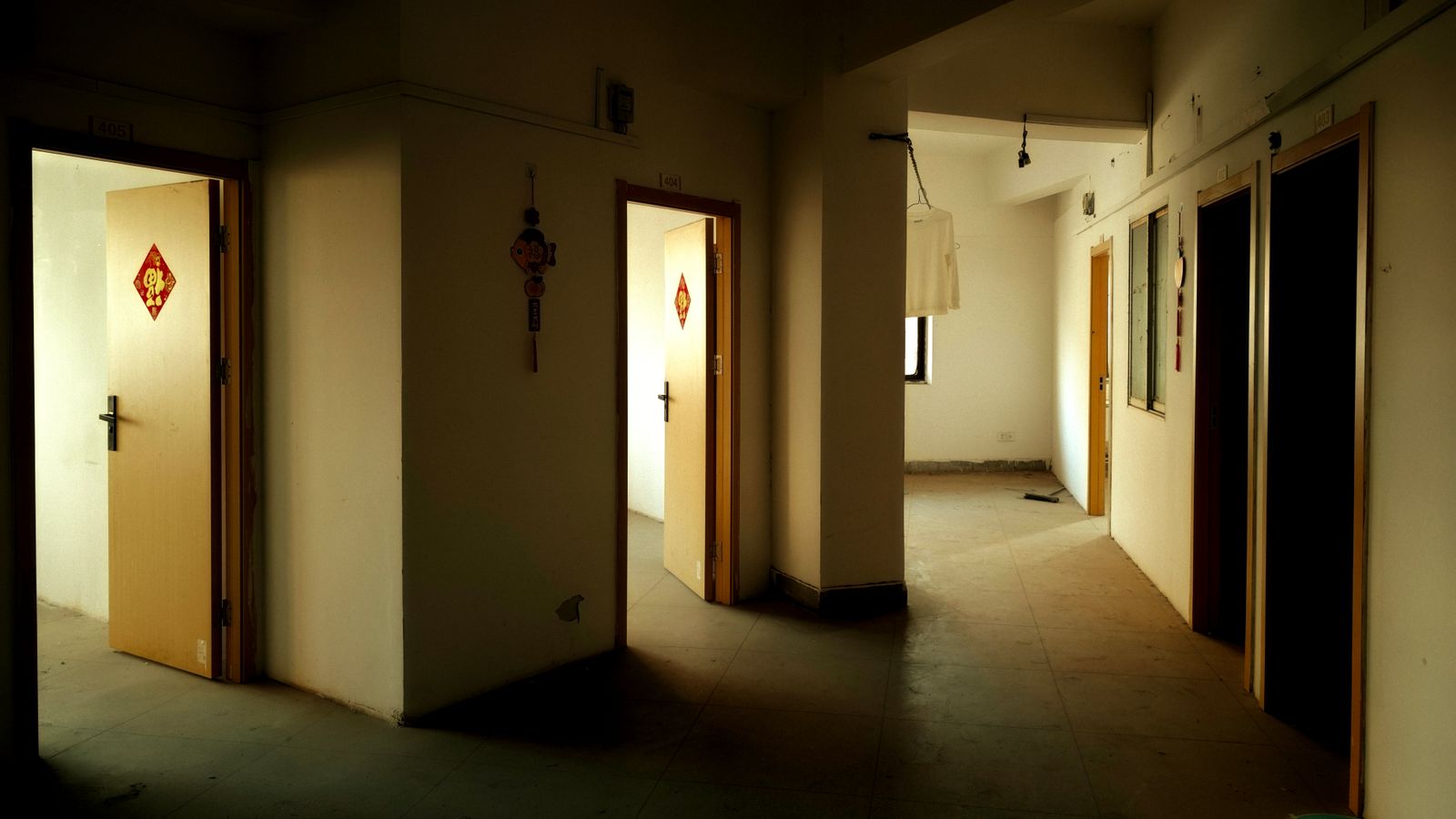
A hallway often looks clear when viewed from the doorway. The important view begins with the first few steps, when your eyes still remember the room you just left. Walk the route in the evening under the arrangement you currently use. Keep the available light on wherever needed for safety and pay close attention at turns, doorways and changes in floor height. Bring a helper if the route has a dim step or a difficult edge. Pause where you normally hang a coat, find a key or open an unfamiliar door. Write down which thing was hard to see and where you were standing.
Repeat the same route in the other direction. In a house with a bright kitchen on one end and a bedroom on the other, the two walks can feel surprisingly different. The kitchen may offer a view of every floorboard closest to it and make a shadow farther ahead look almost black. Coming from the bedroom can reveal a door handle at the turn while making the light over the last few feet too strong. Try following the same path with the neighboring rooms in their usual evening states. If a door is normally half closed, use it halfway closed. An otherwise pleasing view made with every door wide open is easy to misinterpret.
Mark these observations on a sketch with the switches and doors. Draw the direction you travel and make a note of the task. A step edge, switches, shoes and an uncertain door label may need different light. Consider who uses the route and at what hours. A younger child can see a bright source from below that an adult passes without noticing. A person carrying laundry sees less floor ahead. A plan that deals with those views makes the normal passage easier than a new fixture bought by guessing the darkest point.
Light the action instead of the empty floor
The object you need to see can be much lower than eye level. A change in flooring, a low threshold or a step edge needs to remain legible before your foot reaches it. Look for a position that sends light to the surface from an appropriate place and leaves the route continuously usable. A visible overhead source beyond a corner might give a comfortable general glow after you turn but leave the moment before the turn difficult. Try moving a suitably rated portable light in a steady, safe place outside the walkway or use a suitably installed existing fixture to compare the effect. Keep enough light on during every test.
A coat rail and a key shelf need a different check. Stand where you reach for a coat and see what the hanging fabric covers. A high fitting on the wrong side may make your head or shoulder cast a shadow over the object. Check whether light from a nearby pale wall would reach it without taking up a shelf. A door handle beside bright glass can be hard to see even if it is near a bright source. There, one small patch from a different direction might reveal its shape. Try one modest change and observe whether it helps the actual action.
Keep the path itself clear. A portable lamp placed on the floor as an experiment should live outside the passage and be moved if its cable cannot also stay clear. A fitting in a fixed hallway position needs to preserve ordinary passage, including any applicable exit requirements and head clearance. Consult an appropriate professional before adding fixed wiring or structural fixing. The sketch you made will help show where the light should arrive. It can leave placement and installation decisions to someone who will check the actual wall, ceiling, rating and equipment.
Look for the switch from the unlit side
Find the controls by approaching from both doors. An ordinary arrangement may allow someone to turn the light on as they leave a room but force another person to walk several steps into the dark to reach the same control. Measure where the need begins and which switch is within comfortable reach at that point. Look at bulky door leaves, a coat rack or stroller parked beside the opening. They may hide a switch hole or light source that appears convenient on a floor plan.
If there is a useful pair of controls already installed, check whether everybody knows which control serves the hall and whether it works in the ordinary sequence. A confusing bank of switches may call for a simple identification method suitable for the existing finish. If the current fixed switching arrangement does not provide a clear route, discuss changing it with a qualified electrical installer. Draw the two arrival directions and the part of the path people need to see before reaching a control. Add the opening directions and where adults or children naturally put a hand.
A low-level light for a visit after bedtime can be useful if it operates as needed and remains out of the path. Check the product's suitability and how it is powered. Try the setting with the main hall lighting still available. A bright sensor light triggered on every return from a bedroom can be as disruptive as a dark stretch. A source that stays on after you leave can affect the rooms opening onto the passage. Check whether there is an adjustable, approved setting and whether you can operate dependable general lighting if the automatic source does not activate as you expected.
Make the turn visible from before you reach it
A blind corner often needs a clue in advance. Test a light reflected from a pale wall ahead or on a surface visible before the actual change of direction. Watch the floor at the turn and the place where an open door might project into it. It can be more practical to brighten a short strip leading to the turn than to create one powerful patch around the corner. A faint reflected wall beyond the handrail may also help a visitor see where to go without staring into a source.
Imagine walking from a bright kitchen to a three-step area before reaching the bedroom. A light directly above the last step can show that tread while leaving the closest edge difficult. Keep the existing safety light available and see where the first edge becomes clear if you add a nearby portable source or change the use of existing controls. Check in the opposite direction with the kitchen light still bright. If a big contrast at that doorway is the trouble, a continuous lower level may be more useful than an additional bright light at the far end. Bring observations and photos to the installer rather than suggesting one fixed solution.
Check reflections at eye height and lower down. A glossy painted door or framed picture can reflect the light directly when you approach from one end. Walk slowly and notice whether the reflection follows you through the place where you need to look down. Try a softer angle or a different surface if the test is easy and safe. Compare which arrangement preserves the markings or edges you need to see while giving enough light farther ahead. There is no benefit to making a wall brighter if it makes the floor immediately in front of it harder to read.
Test fixtures against the neighboring rooms
Try the proposed arrangement when the kitchen and other visible rooms are fully lit, then when they're quiet. The hallway has to work at both transitions. Someone leaving a bright room may need a clearer edge than somebody already in the hall, while a person coming from a darker bedroom can find the same fixture surprisingly sharp. See what happens if only the existing general hall light or only a suitable lower source is in use. If one arrangement does not serve both routines, talk to the installer about ways separate controls could help.
Ask what creates shadows. Set the doors to the positions you commonly find them. Look at the edge of a mat or transition and at whether a coat or shelf can block the light it is meant to receive. If a door glass currently allows some light into the hall, check how much remains when the room behind it has its usual evening lights off. Neighboring light can help but should be evaluated as part of a normal sequence rather than a dependable replacement for suitable passage lighting.
Note how much of the fixture is visible from other useful places. A glare spot framed by the entrance to a bedroom might be annoying even from outside the hallway. A shielded light in a different location may do the same work without bringing that view into the bedroom. Compare the change to the actual tasks. The best light for the hall usually improves the trip without making nearby rooms feel like they must close their doors around it.
Verify the walk after the work is complete
After any installation, ask for instructions for normal operation and maintenance. Leave the route clear and take the two trips again during the hours that prompted the change. Try opening a door, putting a key down and finding the next control. Ask another household member to repeat the check from a different eye height or approach. If there is a temporary mode, confirm how to return to the ordinary setting. If a sharp reflection, uncertain step or hidden switch remains, note the place and condition while it is easy to repeat.
Write the fixture and control information down along with any directions for approved replacement parts. Put it where the person changing the light will find it. The successful hallway feels simple at night. You should be able to arrive from either side, see where the floor changes and find the next switch without needing to walk ahead of the light.