Test paint on the wall that will carry it
Read paint undertones and finish in the room where the color will live.
Put more color on the wall than a chip can show
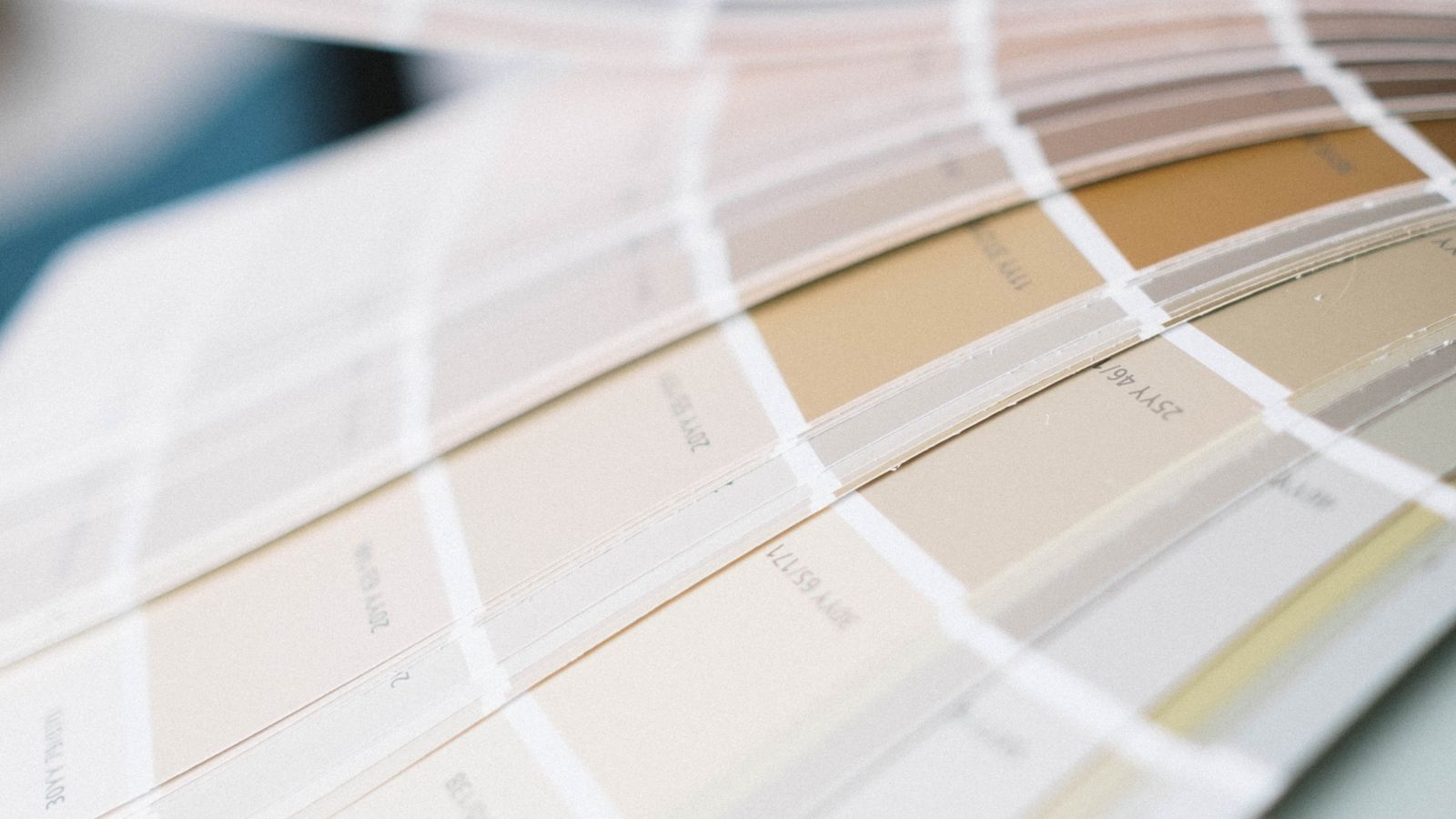
A warm white chosen under a shop's overhead lights can look faintly pink beside the carpet at home. A blue that matches a pinboard may look almost black when the last daylight leaves the hall. Before ruling out either paint, give it enough area to read as part of the room. A sample that can stand upright beside flooring, trim and furniture tells you much more than a card held at arm's length.
Choose a movable sample board or a test area suitable for the product. Follow the maker's preparation, application and drying directions and use an appropriate primer where called for. A board is useful when drilling, rubbing or painting the existing surface is undesirable, or when you want to compare several walls without making multiple patches. Use a large enough piece to see color from the middle of the room. Mark the back with the exact paint and finish, and arrange for a person to steady the board or support it while it stands in the intended location. Let the sample dry completely before making a comparison.
Start with the things in the room that will stay. Hold or set the board vertically where it meets the same lines the paint will meet, including a tile or floor edge and the trim. Put the nearest upholstery and fabrics back in their normal positions. A sample lying flat on the floor reflects light differently from paint on a vertical wall. If you will paint ceiling or trim too, make a separate comparison for those surfaces at their intended angles or follow another safe sample method proposed by the maker. A quiet change in undertone can become obvious when sheets of a new paint and an existing finish are placed right against each other.
Make a circuit of bright walls, inside corners and darker edges
Try the same sample on one wall with abundant daylight and a second that stays mostly shaded. Move it to the area beside a doorway or near a tall cabinet. A color you enjoy across one broad wall may become gray toward the narrow edge of a recess. Look at it from where you spend the most time and from the entrance. The route into the room often gives your first look at the proposed color alongside the one next door. If a small strip of trim borders both, it belongs in the comparison.
Go through the room after dark with the usual lamps running. Compare the sample beneath the closest lamp and farther away in the same sight line. Narrow your options using what happens when you prepare for bed or sit down for dinner, rather than leaving every light switched on for the sake of the test. If a reading lamp projects an especially warm light, see whether it changes the paint locally or makes the whole room appear different. Keep one stable surface such as the flooring or curtains nearby as a reference. A close comparison helps you decide whether you like the change the lamp introduces.
A corner can be an especially useful test for a dark paint. One side may catch the window and show a clear undertone. The other can turn very deep in the same hour. Bring a second sample into the corner and hold the boards at right angles, using safe support. Consider whether the effect is a good part of what makes the room feel sheltered or whether it hides an important edge and leaves the corner looking dull. A lighter or more evenly lit nearby grain or trim can also change how you read the same pair of walls. Add it to the arrangement before settling your choice.
Read the sheen as a separate decision
Ask for the intended sheen or sample enough of the exact product to see it. A flatter finish and a more reflective one carrying a similar color can look quite different across a wall, especially when a window sends light along rather than straight toward it. Look at the painted sample from where someone walks beside that wall. See which parts of the finish come into view as you move, including the marks made by the application method. A reflection that looks even from the center of the room may become bright close to a corner.
Wall condition deserves the same attention. A sample board may be smoother than the surface in the room. Inspect the wall in side light and notice repairs, lap marks or texture changes. For an area where preparation is planned, ask how it will be prepared and which products suit it. An approved sample on a representative area can help you see the result in context. When old or damaged coatings require disturbance, check with an appropriate local contractor about condition, preparation and the requirements for handling existing paint. A slightly different sheen can change what is visible and may influence how much surface work seems acceptable.
Think of a hall with a white baseboard, a worn painted wall and light entering from the end. A finish that looks flat when viewed squarely can show a longer glint as someone walks toward the light. Mock up the wall and trim together on separate pieces. Place a coat and a handbag in their regular locations and turn on the hall lamp. Observe which finish helps the edges and color look settled during ordinary use. If you would rather emphasize the trim or soften the wall, the sheen change may do enough without taking the color to a completely different part of the palette.
Let maintenance narrow the finalists
The paint has to be agreeable when you clean the room as well as when you enter it. Check the instructions and product description for the intended substrate, application, curing and care. A wall near a dining table may need routine wiping, while a wall behind a low sofa may get little contact. Guidance can vary between products with similar sheen names, so compare the finishes you are actually choosing. Ask about ordinary cleaning and how long the recommended cure takes before the finish tolerates it. Plan the schedule so the room can be used in the way the label allows during that period.
Keep two matching samples if you want to do an approved cleaning trial after the required waiting time. Save one untouched. Test the specified method in the light that is most demanding and let the sample dry before comparing the result. Look for a change in sheen as well as color. On a textured surface, check whether a clean sample that has the same texture gives you a better impression than a very smooth board. A suitable finish can make it cheaper in time to keep the room presentable than one that wants a special process for a mark everyone leaves.
Allow the room's practical conditions to settle which product to use. The product that suits a dry dining-room wall might not suit a wall that regularly sees condensation. Ask about ventilation and appropriate coatings before covering a patch that tends to stay damp. Resolve the source of the moisture if the wall shows recurring signs of it. Consult the instructions about primer and compatibility when the old surface is unknown. If a sample looks excellent but the product is difficult to use as directed in that room, choose the finish you can apply and maintain according to the manufacturer.
Write down what you want to be able to buy again
Keep the exact name or mixing code, manufacturer, finish and product line on the back of your reference board. Add the primer, substrate and room. A color sold in several lines can read differently depending on the overall system, finish and existing surface. Note where the finished paint should stop and how it will meet any older color that stays. Photograph the can label while it is easy to read, and keep the original sample in a suitable place to compare when you buy more. If you need several cans, ask the supplier about handling color consistency across them.
One room may wear enough to require touching up often. Follow the product's storage and disposal information for remaining paint. Several years after application, check the whole wall under normal lighting if you are evaluating a repair. A clean current sample shows what you bought, and the wall now shows years of exposure and cleaning. You might see a patch at some angles even with the recorded code and sheen. Try the repair method in a suitable unobtrusive spot and judge the difference after drying. A repaint to a natural boundary may give a more even result if the difference remains conspicuous.
Test one transition from an adjacent room with the door open before putting the board away. Stand on the far side and switch on that room's usual lamp. Its wall color and light will frame the paint you are choosing. Look at how the two finishes meet, and decide whether the shared trim should stay the way it is.
When two colors both work after these tests, spend another evening with the samples in different parts of the room. Notice the difference after you close the curtains, turn on the most-used lamp and sit down with everything else back in its place. A color can be neutral enough to work with the current floor and still do something warm or cool that belongs to the daylight you have. Record what you like about it in one short sentence. The note may be more useful later than a long list of nearly identical sample codes.