
Set up a linen cupboard that is easy to reset
Group towels, bedding and spares so others can find clean items and put them away.
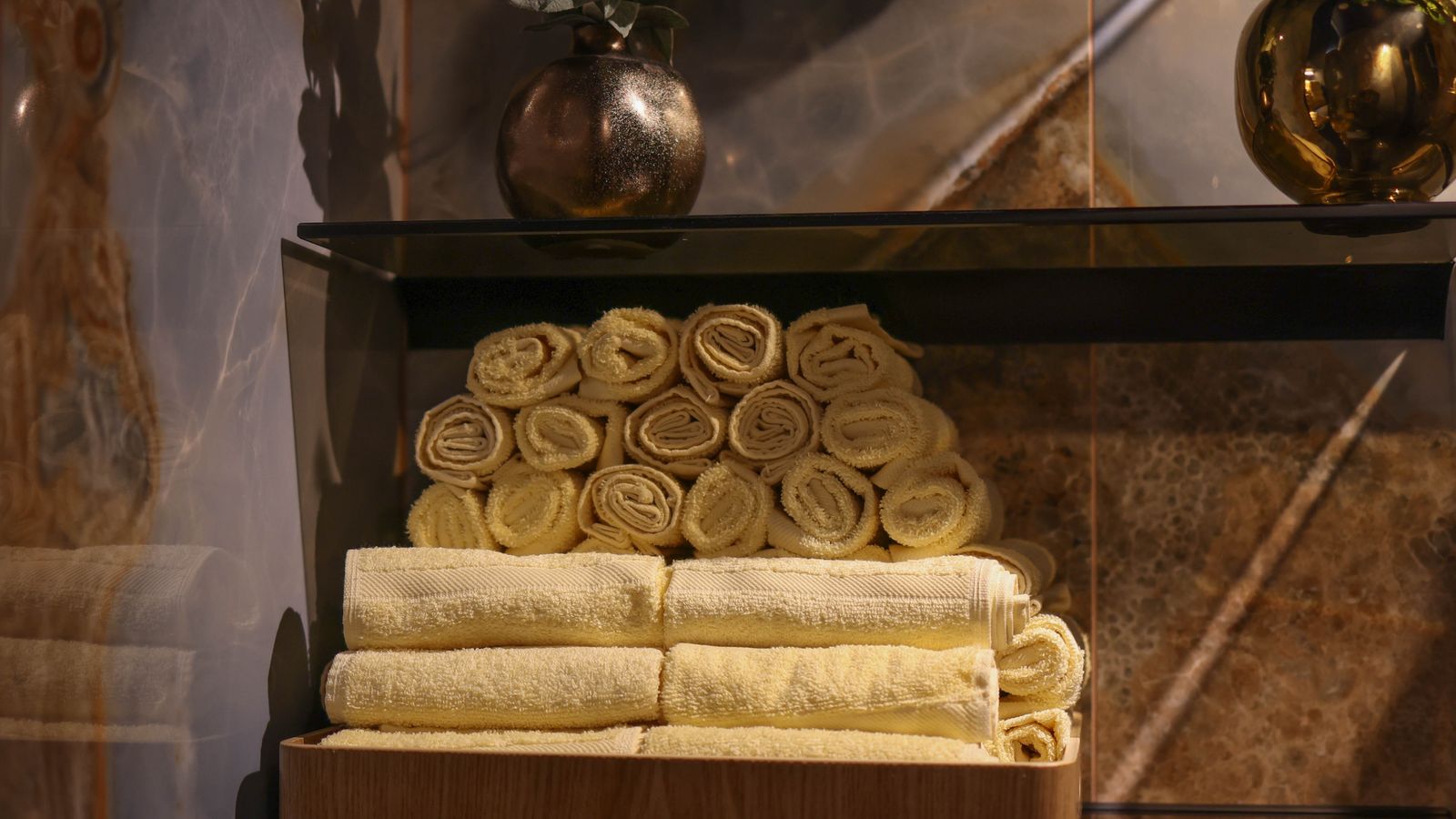
Put a load of folded laundry next to the cupboard
A towel comes out neatly from a stack of three. Take one halfway down a stack of ten and the others come forward with it. That little difference explains why a linen cupboard can feel too small even when there is space at the back of every shelf. Look at the size of the real folded towels, pillowcases and sheets before buying boxes or adding more shelves.
Take a group from one ordinary load of laundry. Fold it in the way that feels natural to the person who most often puts it away. Measure the footprint of a bath towel, a hand towel and the largest folded sheet. Lay them side by side and try turning them so the folded edge faces outward. The closet might accept two lower stacks in an orientation you have never used. Find out how many items you can lift while holding the air clear for the next one. A stable stack that is easy for another person to return matters more than fitting every towel from an infrequent full wash in the same column.
A shallow shelf lets you see almost everything on it. Use it for the towels or cases you look for regularly. A deep shelf can hold a wider set, and its far end becomes less useful when things are piled in front. A lightweight bin or tray can bring the back into view if you have room to draw it out with both hands. Test the largest folded piece in the container and open the cupboard door fully. A bin wide enough for it may be difficult to steer past the hinges, especially when another shelf is close above.
Keep the top and bottom sheet on the same trip
Pick a size you change often and put its full set of dry bedding on a table. Include the fitted and flat sheet or cover along with the pillowcases you will put on that bed. Try folding the smaller pieces inside a spare pillowcase from the matching set if it is large enough and makes the package easier to identify. A single small stack can also work. The test is whether you can take everything out without uncovering the next set or forgetting which pieces remain.
Label the room or bed size using terminology that anyone in the house will recognize. You might use a tag for “small guest bed” rather than the size name used by the manufacturer if the two are not used consistently at home. Put standard and unusually deep fitted sheets in clearly identifiable places if they look the same folded. If a set has a single cover that needs to be washed separately, decide where the rest can sit together while it dries. A small label attached to a shelf edge takes little storage away and can make it easier for guests to find clean pieces without lifting every bundle.
Check how the saved time works on the day the bed is changed. Carry the entire set to the bed with the shelf and door at their ordinary heights. It should be simple to take a stack without brushing the front of another. Store the largest or heaviest set where it can be lifted comfortably. If the tallest shelf has spare space, fill it with a lighter off-season group that someone can retrieve safely using a suitable step stool when needed. Keep frequently changed bedding lower even if the package could be made to fit higher up.
Give the middle shelves to things that have short lives out of storage
Set aside a reachable shelf for what comes out once or twice a week. Bath towels and hand towels often work there, with guest spares in another place. If several people share the cupboard, put the shelf in reach for those who use it. A child or a seated person may have a different useful shelf than an adult standing at the door. Give them something in a stack they can lift easily without pulling the ones above it out over themselves. Keep the doorway clear enough to approach the storage in its ordinary state.
Store linens fully dry and give the cupboard a chance to stay dry, especially near a bathroom or a wall that gathers condensation. Pay attention to musty smells and places that stay cool and damp, then find and resolve the source of moisture before filling them. Leave space around stored items that need it and follow the care label. A large dense pile can stay hard to inspect at the back, even though the front seems in good order. Use a shelf that is dry and accessible, and periodically check the items you do not move often.
Put similar seasonal items together and sort them for the arrival of a particular season or guest. A separate label can distinguish summer covers from a thicker spare quilt. An extra pillow or heavy blanket may make more sense in a different room if taking it out needs a larger turning area. Reserve the deepest open shelves for shapes you can still see and get both hands around. Make enough room to clean the empty surfaces once in a while. Complete baskets can be easier to take out, but the organizers should not force you to empty half the cupboard to free one shelf.
Make a small home for the pieces without a set
Nearly every cupboard has two unmatched pillowcases and a sheet whose size turned into a minor mystery. Pull those items out during the first pass. Determine where they might actually be useful now. A dry towel kept for a project can go near the place it is used. A usable spare case may replace work being done by another storage box. Items you do not expect to use can move out through a suitable reuse or textile collection option if available. Leaving them on the daily shelf makes the set you actually want harder to see.
Keep the spares you still rely on in a simple named container. Check it before ordering another pillowcase or towel. If a guest comes unexpectedly, the remaining supply should be easy to see and in suitable condition. Write down which spares have different sizes so the next search does not turn into a match by elimination. A sheet can be marked on its own tag or folded to keep its label visible. Leave some room in the container so it can be emptied without dragging another wearable or washable item loose.
Try a three-shelf example. The middle shelf holds two short stacks of folded bath towels and a lower stack of hand towels. The bottom shelf stores the largest bedding at the front, with a side basket of cases and duplicate towels that can slide out without lifting the other set. The top shelf stores dry seasonal covers and a few rarely opened spares. When the cupboard is small, make the daily area deliberately visible. You might keep ordinary towels on one side and use the full depth only where a bin pulls out naturally. Move a bulky spare to another place before letting the top stack lean out over the working ones.
Observe another person using the cupboard for a simple job. If the first place they check contains the wrong thing, the label or placement may need to move. Give new items a way to enter the system without leaving extra stock on the floor. A few unused inches on a practical shelf provide a landing place for this week's laundry, room to take a stack down and a chance to notice when there are too many of something.
Watch it refill after a proper laundry day
Give the new layout a couple of days. At the end of the next wash, bring back the normal mix of dry towels and bedding. Fold them in the familiar way, then compare how easily they slide into their spots. If a second person typically does laundry, ask them to try independently. A fold that takes longer to learn might still be worth keeping for a favorite sheet. For the daily towels, choose the one that both people naturally return to. Turn a stack a quarter turn or use another shelf before deciding that everyone needs to adopt a more complicated fold.
Keep track of the occasional pieces that come out after a visitor has left. The usual stack may be full when the guest linens are ready to return. Rather than finding another entire storage unit, you could give one shelf an intentionally empty slot sized for that set. Once the room is reset, the clean towels and the right bedding will be available together for the next use. Plan a way to keep the bits in that group visible, such as a shelf label and a sound fold at the front.
Do one last test with only a hand free. Open the cupboard, find a hand towel, take it out and close the door. Then put it back. A cupboard that can manage that simple circuit at the end of a busy day tends to be easier to live with through changing seasons and unexpected company. Leave the organization as simple as the first clear route you found, and change only the parts that ask someone to rearrange what was already working.