Put bathroom light where faces need it
Plan mirror lighting with realistic positioning, glare control and wet-area installation constraints.
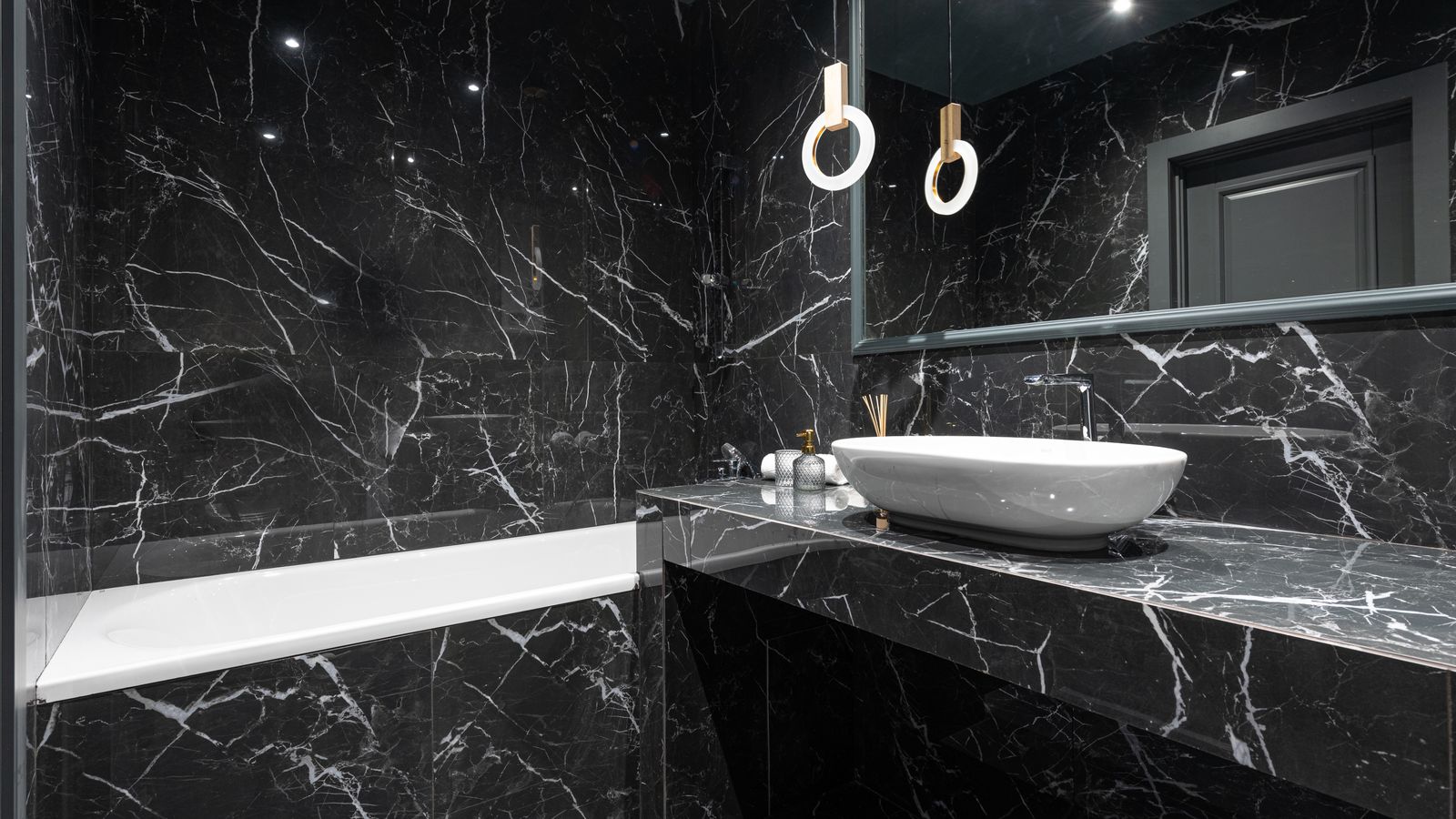
Stand where you normally use the mirror
Turn on the bathroom light used most mornings. Look at the reflection while standing normally, then lean in the way you would to shave or take a close look at skin. Notice whether your eyes and chin remain easy to see. Move to the position a shorter or taller user takes. If the only useful light lands on the top of your head, the room can look bright while the mirror still gives little help.
Use a mirror in another dry room to try the light directions you are considering. Let someone hold a small battery-powered light beside their mirror and then above it, with a little distance between the light and the face. Compare the shadows in each position, then set the light farther from the glass and see how the reflection changes. Try it on the opposite side as well. A light with a notably small source can show sharper shadow edges than a broader one, so use the little lamp to discover direction and check the intended fixture itself for the actual effect. Keep temporary testing equipment away from the bath, shower and other wet areas.
Draw the outline of the mirror on paper or use removable marks on a dry wall if the finish permits. Mark the usual eye levels and the side of the basin where each person stands. A mirror above an offset sink may have enough width for two people to use, with one lit well at the center and another standing in their own shadow at its edge. Test it one person at a time and then with the other person present, since they can block light falling across a long counter. Keep the room's actual ceiling height and constraints in mind as you consider the result.
Compare the light that reaches the face with the light you can see
A fixture above the mirror often leaves the wall at either side free for storage and a wider glass. Its usefulness depends on how far forward the light comes, its width and how it spreads. A narrow beam may illuminate the sink and leave your face shaded toward the eyes and chin. Tilt a movable dry-room lamp until it sends brightness in the direction you want, then compare the broader fixtures available for the actual location. Some can light more than one side of a wide counter when the mirror's edges sit close to walls.
Side lighting can soften the change from light to shadow across the face. The width of the fixture and its distance from the user's face will affect how much it helps. Look from just beside the mirror, where a bright exposed source can enter your peripheral vision. If the light itself is uncomfortable, try a suitably enclosed design with a larger or diffusing surface in a showroom. Pay attention to how you perceive the reflection next to the light. The goal is a face you can see clearly and a room you can look around without squinting.
Strong reflection sometimes comes from the countertop or tiles rather than the mirror. Bring a sample of the finish to a lighting display when possible and change its angle. See whether a glint appears from your normal eye height. Wall and cabinet colors can look different under otherwise similar lamps, so compare products with a real sample and your normal tasks in mind. If the ceiling light is already good, you may only need to improve the one moment that makes the mirror hard to use. Any brightness comparison should account for the fixture's shade and diffuser as well as the lamp or LED inside it.
Separate overnight movement from a task at the mirror
In a bathroom with a single switch, the light that helps someone groom before work can be more than they want when they come into the room after midnight. Walk through it under the dimmest existing light that still makes the floor and important features easy to see. Notice how dark the bathroom seems when you approach from the hall and how long it takes to adjust as you leave. Look where the route crosses an edge or turns around the vanity, where shadows can conceal a feature someone expects to find easily.
Discuss separate controls or a compatible dimming setup with the electrician when the use calls for it. Check the whole combination of fixture, driver and control recommended by their manufacturers. Look for a setting that remains usable at lower output. Some people like the same appearance across the visible fixtures, especially if they turn on at once, while others find a softer background light more comfortable in the evening. Observe which lights are visible from adjoining rooms through an open door. A fixture placed farther along the wall to avoid glare at the mirror may still be noticeable from a bedroom.
Imagine a small bath used by someone shaving each morning and a child visiting in the night. Hold the specific mirror task for the brighter fixture and use a suitable lower setting or separate fitting to light the path. Test a comparable setup in a dry space first. Check controls against real habits too. Someone entering from an unlit hall should be able to find the switch easily. Someone leaving the shower should have a practical way to make the room safe to cross. A qualified electrician can tell you where the controls and fittings may go for the room and the rules that apply there.
Bring the exact mirror, lights and wet areas to the electrician
Show the complete drawing with the bath or shower, doors, mirror and planned fittings. Ask the electrician about the applicable wet-area requirements at each proposed position, the type of enclosure or fixture rating needed and which protection and controls apply. These details vary with location and governing rules. Obtain installation dimensions for the entire light rather than choosing from a photograph or the bulb description. A fitting may have a projection, mounting point or shade-cleaning clearance that the picture does not show clearly.
Consider the mirror and accessories as moving objects where appropriate. A cabinet door may need space to swing beyond the mirror's face. A part of the luminaire can catch it even when the marking for the electrical box is entirely outside the glass. Some designs may suit a narrower wall if the light is vertically oriented or can be installed at an approved position farther above. Discuss the required maintenance and whether lamps can be replaced as recommended with the cabinet, medicine shelf and walls in their final positions. Confirm what supporting structure and wiring the installation needs before fixing heavy pieces or closing walls.
Make the inspection an opportunity to resolve small usability issues as well. At the proposed fixture height, a person should be able to clean the mirror and nearby surfaces in the manner recommended for the products. Think about routine access to remove a diffuser or panel if the design requires it. Ask what will stay visible after the installer adds the required fasteners, seals or mounting plate. The canopy plate might cover one part of the wall that was intended for a narrow trim, and the electrician may be able to identify the conflict before either contractor orders their materials.
Try a normal morning before changing the rest of the finish
After installation and whatever checks are required, use the room under its new lighting. Try washing your face, brushing teeth and the actual close work you do at the mirror. Test the other users' locations. If you added several levels, move from the night setting to the task setting and notice the point at which it feels comfortable. Look for glare on the cabinet door and small reflections that might draw your eyes away from the parts you expected to see more clearly. Give the room a few days with the existing textiles and wall colors before making a decision about replacing them.
In one compact bathroom, a wide overhead light may give a better result than a pair of visible side sources crowded between the mirror and the wall. In another, an existing lamp high above a recess may cause deep shadows and a lower side source may offer more useful light, if allowed at the chosen location. Use the original drawing to keep track of why a choice improved the room. The difference you can see during the task matters more for most days than the difference you saw while comparing unlit fixtures in a catalog. A shallow shade with a suitable diffuser may give you plenty of space at the same time.
One more glance is worth taking when daylight comes from only one side. Compare the view with the bathroom door open and closed on a bright morning. A shade or a frosted window may give enough light from the side nearest the glass, leaving the other side of the mirror dependent on the new fitting. Run the normal mirror task with both sources present and only one available. The best setting at breakfast may differ from the one you use before bed.
Keep the instructions and model information for the final fixtures where you store the details of the room. Note the controls and any limitations on replacement light sources, if applicable. If a particular setting suits an overnight trip, agree on how the users will access it. An inviting bathroom can look dimmer from the doorway once the glare is controlled and still offer more visibility for the person at the mirror. That is a good result to judge with a familiar task and an unhurried look at the reflection.