Make a front door landing zone without crowding the entry
Give keys, shoes and wet gear an easy place to stop near the door.
The entrance should be ready before you turn the key
Imagine coming home in the rain with a parcel under one arm. A hallway that looked crisp in the morning needs to accommodate a wet coat, shoes you do not want to leave on the carpet, and somewhere to set a parcel long enough to shut the door. The first objects that touch the floor tell you which jobs the entry is failing to do. Follow that short routine with a family member and see whether they reach for the same objects and use the same part of the hall.
Track the door itself while it moves. Check the handle and lock when the door is wide open, then close it and see what is within reach without taking a step. Hold the parcel while you turn to take off the coat. The keys may want a spot well away from the wet things, while the parcel needs a deeper surface that can be available briefly. If there is a closet next to the door, open both together. You may discover a narrow section of wall that is within reach but only available once the front door closes.
Use painter's tape to mark a few candidate locations without installing anything. Place a stable box where a shelf or bench is likely to go. Open the door, turn around with a tote, and walk in and out in the shoes you would wear on a wet day. A rectangle that looks harmless beside the baseboard can intrude at wrist height. Observe everyone who regularly uses this entrance, including visitors who do not know how to squeeze past the same corner you avoid without thinking.
Move wet shoes to a place where they can dry
A shoe tray works when wet footwear goes straight into it without crossing clean flooring. The tray needs to be near the part of the route where shoes come off and clear of doors as they swing. Use the largest pair you would normally leave there to test the tray against the wall. If a heel usually overhangs, change the angle or choose a different spot. Allow enough room to stand or sit while you undo laces. If there is a bench, decide whether you can use it while another person comes in.
Think beyond the time when everyone arrives. Wet shoes, bags and umbrellas can be convenient when they first land and still leave damp marks the next morning. Use surfaces suited to wet items, and check them often enough to let them dry. A lip on a removable tray can catch the drops that run off boots. Put the tray somewhere you can lift without dragging it across a delicate floor. Leave airflow around wet items. A shoe cupboard can work well for dry pairs, leaving the most recent ones on the tray until they are ready to put away.
The umbrella is an early clue to the best location for its holder. Watch where someone goes to close a wet umbrella. A hook or stand can help if the user can get water off it or catch drips without wetting what is stored underneath. Lay down a temporary absorbent mat to see where the natural drying spot is. Pick a mat with an edge that stays flat and sets the door free to move across it, and check the spot for water after the first heavy rain.
Keep a little hook space available for the next arrival
A row of hooks looks generous with three empty ones. Hang your usual coats on them and try the passage again. Thick sleeves can add several inches to the edge of a hallway. If the coats catch each other when one comes off, leave more room between frequent users or offset the places where several coats are likely to overlap. Keep the closest easy-to-reach spot available for the person who has the hardest time reaching. Someone with a short coat or lighter jacket may find it convenient to use a lower hook that would be awkward for a long coat.
Try a place for bags with the bags already filled. A heavy work bag may be too deep on a hook to coexist with the front door, even when the empty version hangs almost flat. It may work better on a strong low shelf at a spot where it can be picked up without bending around a corner. Keep the route to the door clear and use fixings suited to the weight of a fully packed bag, the wall construction and the maker's directions. If you are unsure what is behind the proposed location, establish that before drilling. Existing storage can serve during the trial and take the guesswork out of the load you eventually need to support.
Reserve one free spot for a visitor. People who come in without having been shown the hallway should be able to see where they can hang a jacket. If a child needs to put a school bag away independently, use a spot they can reach with the bag on, then watch what happens while shoes and a coat come off in the same minute. Hooks placed purely to look balanced may fail both tests. The objects and movement are enough to decide where a hook works.
Choose the smallest surface that meets the routine
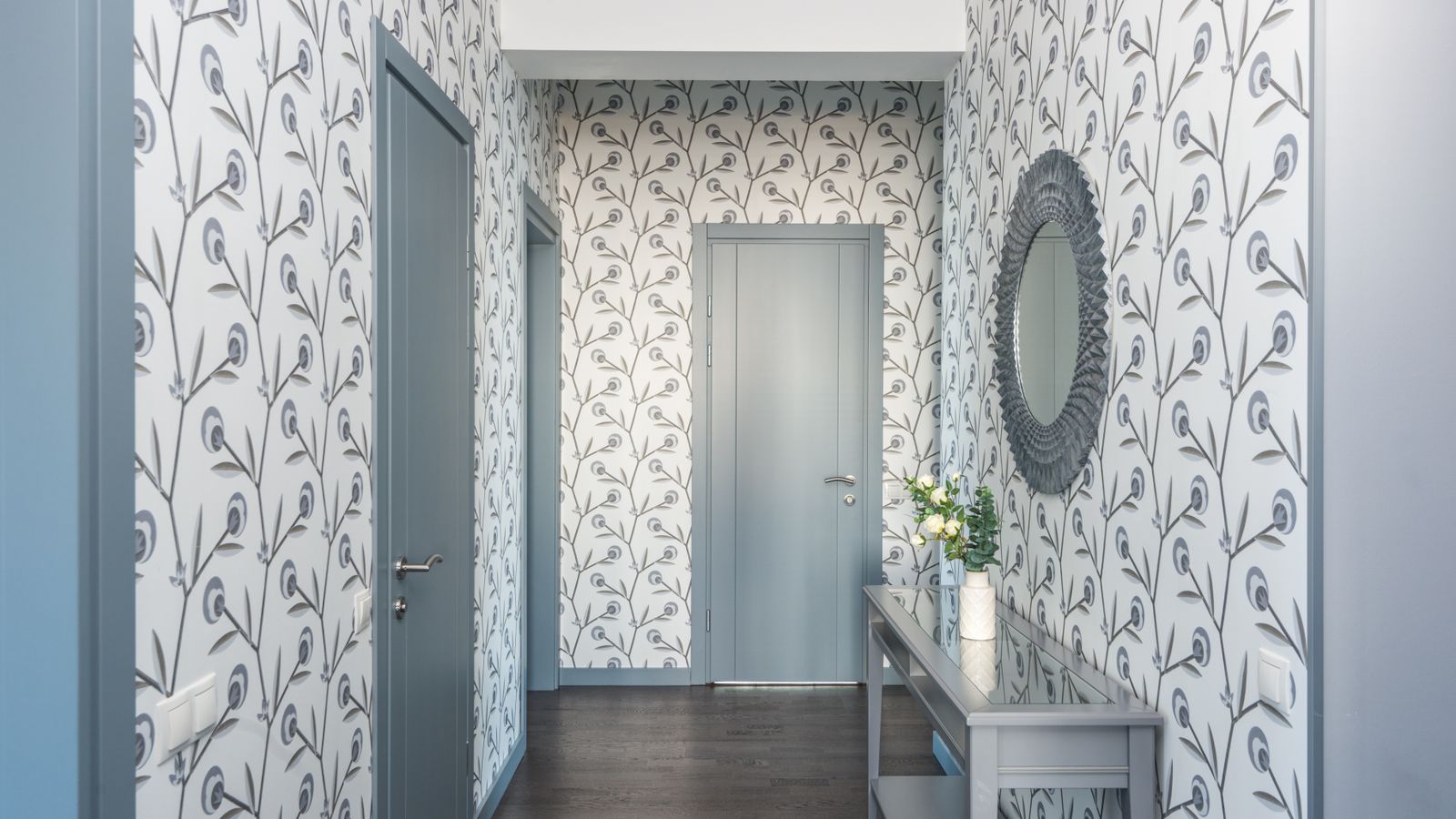
Empty your pockets at the entry as you would after an ordinary day. The door key, transit pass, earbuds and a small packet of post may fit on a tray much narrower than a console. Try the tray at a wall edge that leaves space for a bag passing beside it. A shallow shelf that keeps the rest of the hall open can be a generous home for these small things. It may need a lip or a tray that grips it, especially if the key comes down quickly while your other hand stays on the door.
A deeper console earns its space when it does another job. It might provide a temporary platform for a shopping bag or store gloves and hats in drawers. Test the large object first and draw the open drawer's movement on the floor. Include the little step backward that makes a drawer comfortable to use. If the table ends up with a permanent layer of returns, post and spare shoes, note whether the missing place is in a different room. An open compartment under the surface can collect its own layer and become hard to clean. Give things a destination that is visible while the shelf or tray is still empty.
Consider the location of the keys from outside the house as well as inside. A visible tray next to a letter slot, window or opening may be easy to reach from the wrong side of the door. Select a position that is convenient for residents and keeps keys securely inside. See what can be seen from the path when the door opens widely. The front hall can give you the momentary workspace you need without exposing everything arranged farther into the house.
Test the entry in poor light and in company
Turn on only the lamps that would be running when someone comes home at night. From outside, see whether your closest switch is clear when the front door is open. Watch for a shadow at a step or at the point where the threshold changes surface. Put down a package, then reach for the light. The only motion available may come from a hand still occupied by keys, and a switch that looks convenient in daylight can sit behind a projecting bag. A suitable plug-in lamp offers a way to test a more useful light direction before you consider any permanent changes. Keep the cord at the edge and clear of doors and footsteps.
The entry can often work without fitting a full row of furniture. In a narrow apartment with a shallow recess after the door swing, try an absorbent mat inside the threshold and a small tray just far enough into the recess to get shoes clear of the traffic. Put the shelf past the recess where there is more shoulder room and set a couple of short coats opposite the end of the tray. If the door makes the usual hook position a collision point, you may find that a short row further along on the other wall supports the same routine. Let a visitor arrive while someone else is leaving. A staggered arrangement can make enough room for that encounter.
Consider what happens on a Monday morning after the hallway handled three arrivals the evening before. The dry shoes need somewhere else to go, and a bag that will leave with its owner should have a place near the way out. Set a shallow basket for dry hats and gloves just past the hooks. Keep one corner of the tray empty for the next pair of wet shoes.
Give the revised hall three arrivals before you evaluate it. Try a rainy trip, a night trip and a visit from someone who rarely uses the door. Note which places stay clear and which become crowded at the same time. You may need to move a shoe tray a few inches, put the hook slightly farther from the corner or change the way the tray on a shelf sits. Leave those changes reversible until the passage works on the busiest evening. A hospitable front hall offers everyone a place to stop for a moment and opens a clear path when it is time to move again.