Put a reading chair where the light lasts
Choose a reading spot by observing daylight, lamp angle and the way you settle into a chair.
Look at where the words go gray
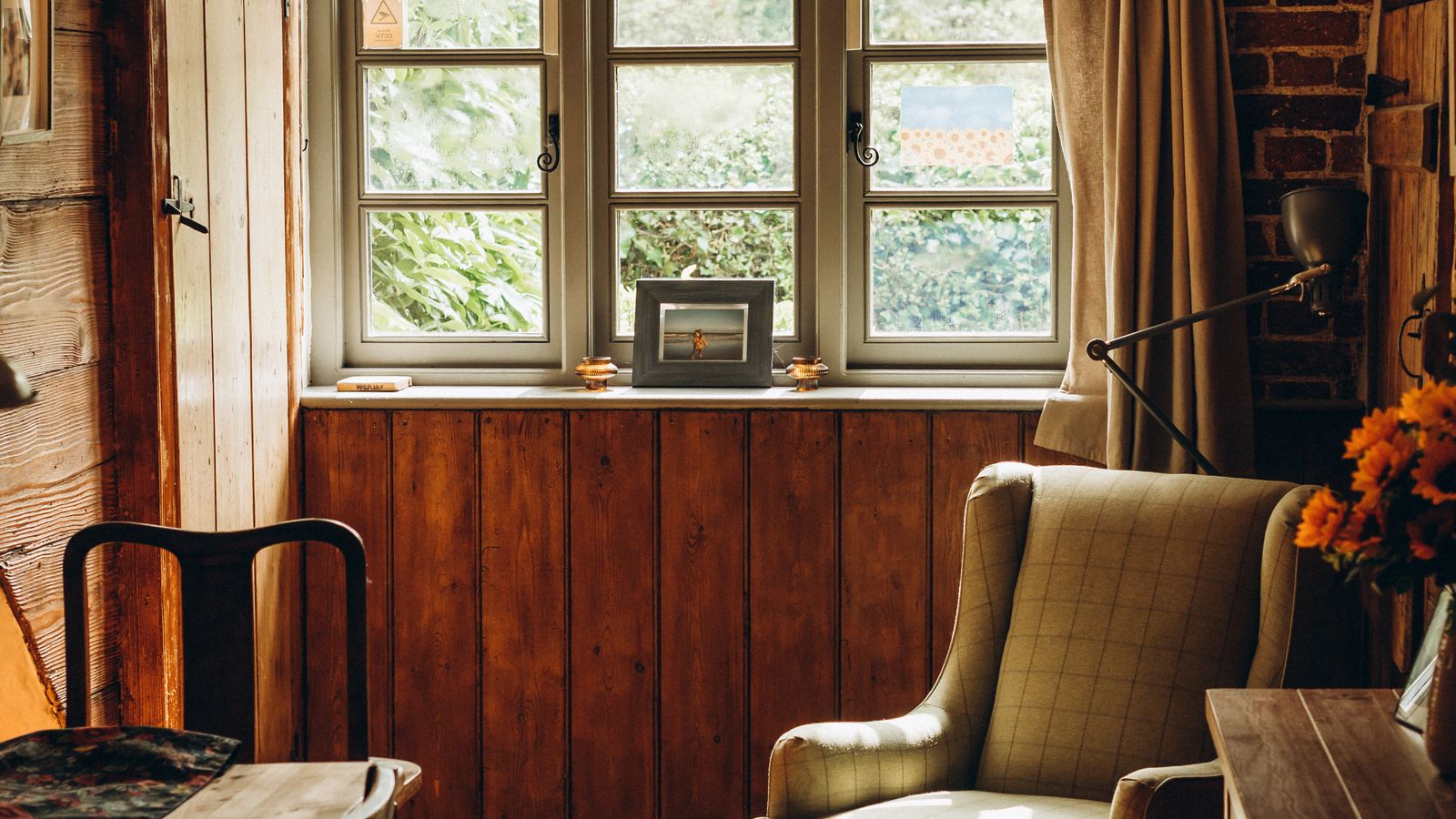
A corner near a window can feel so bright at noon that you expect to read there all day. By four, the page may turn gray while the rest of the room still looks pleasant. Where the brightest light comes from, how soon it moves, and where your head is while you read are more useful questions than whether the corner looks sunny in a photograph.
Carry a familiar book and a phone to two possible locations at the time you typically read. Sit for the length of a few pages. Look at the small print near the fold and note where your hands throw a shadow. Tilt the screen to the position you use over a cup of coffee and see whether a bright window appears in it. Move the chair so the window is more to the side and repeat both tests. If you read from a screen and paper in the same session, a chair that turns easily may let you use the window differently without changing the rest of the room.
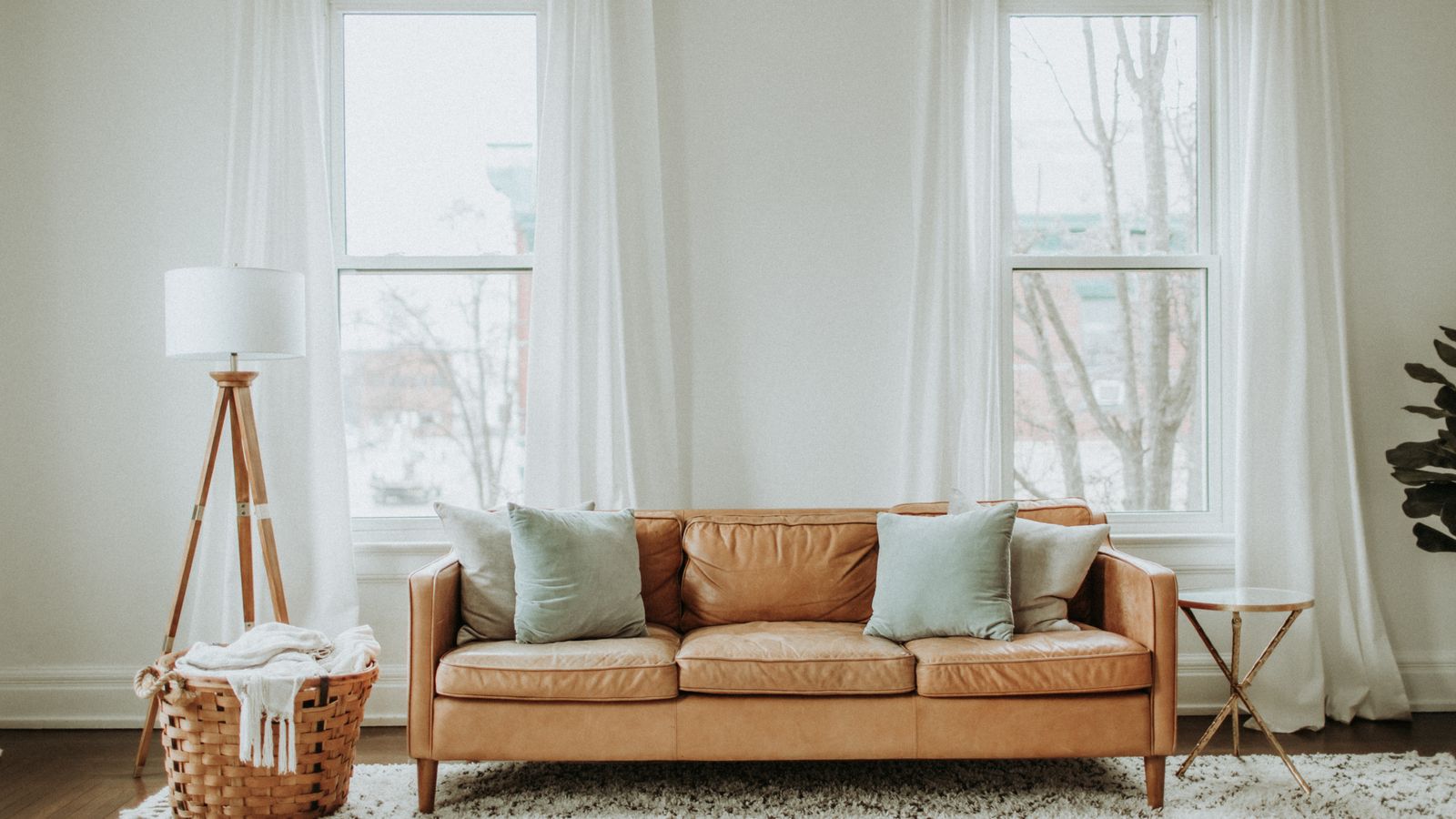
A morning spot may be lovely in the first half of the day and bluntly bright later. If you are trying to create a place for an after-work habit, test the room on that schedule. Check whether direct sun reaches the page or your eyes. A sheer curtain or blind can soften light when it becomes uncomfortable. Watch how it changes the floor around the chair. A long curtain that drapes round the chair's back may be hard to pull, and a short chair-to-wall gap can leave too little room for its hem. Keep the window treatment easy to operate from a clear standing position.
Find a light angle that survives a shift in posture
Try the lamp already in the house before shopping. Put it near one shoulder and lower the shade until you can only see light reflected from the book or tabletop. Change shoulders. The best side depends on how you hold the book and where you tend to bring up a hand to turn the page. Notice the positions that keep your head out of the beam. An adjustable lamp offers options during this test, but a steady lamp in the right location can work just as well once you find the angle.
A light high up near the window may brighten the room while leaving small print hard to see. A lamp placed beside the chair can light a smaller patch more steadily. Look for bright reflected spots when testing glossy paper, an e-reader or a tablet. A lamp moved a little outward or taller can change where the reflection appears. For a small corner, a shade that extends over the lamp base can often direct light in a useful spot without demanding room for a large side table. Confirm the lamp stays stable at the position you want to use.
Set the brightness with the other lights in their regular evening state. A strong beam on bright paper in an otherwise dim room may feel harsh. Bring up a softer lamp nearby if that helps, and give anyone using the rest of the room an independent way to turn their lights down. If you share the room with someone watching a screen, sit there briefly while the reading light is running. A visible bulb or pale spot reflected in the screen can be much more noticeable from the opposite side of the room.
Test switching the lamp off from the chair. A switch on a cord can be useful if it stays in reach and the cord can run along a wall edge. Check whether the cord hangs where its weight can pull it off the table. An outlet behind the chair can work if the plug has room and the chair's feet or moving parts cannot press on it. Read the manufacturer's bulb and use instructions when changing the lamp setup.
Sit the way you read, with a book in your hands
Try a chair that lets both feet rest with support, either on the floor or on a footrest. Sit with a heavy book for several minutes. If your elbows stay raised and you end up folding one leg under yourself, try moving the book or putting a small cushion in your lap. You need enough room for your hands to hold a book in front of you and for your neck and shoulders to settle. The armrest that looked like a side table may be too high for settling in with a larger book.
Move back until your shoulder blades feel supported. A chair with a low back can be pleasant while you sit upright and tire you earlier during a weekend reading session if you like to lean farther back. A loose lumbar cushion can improve the position, as long as the front edge remains comfortable and your feet stay stable. Observe where you move after a few chapters. A chair that feels right for one pose may be useful if it gives you a way to shift into another without sending the page out of the lamp's beam.
Try leaving the chair with the footrest in place. If you have to lift your feet around a round footstool, try sliding it a little to the side. Mark its most used position with a small piece of removable tape on the floor so you can measure real circulation. A stool you can move under a side table may let a second person through the room when it is unused. A fixed ottoman can also be a good choice if there is already a clear route around it. The important measurement for this particular corner is how much floor it needs while occupied.
Put the mug where your hand already goes
Sit down with an empty mug and pretend to turn a page. Put the mug on a stool or box where your hand lands naturally. Do it again while sitting somewhat farther forward. The height of the armrest may provide a useful first guess for a side table, and the position of your hand will usually refine it. A stable table with an unobstructed top keeps a half-awake reader from reaching under a shade or behind a book stack. Give it room for a book or glasses without placing either on the same small patch of surface as the mug.
Keep the books for the next few days in the immediate corner. Save the rest of a collection elsewhere or at another height so you can clean the floor and reach the window. Some chairs move a little every time someone sits. Test the distance from the lamp and the table when the chair has shifted a few inches. A tall surface hard up against the arm can make the chair difficult to adjust and leave a place for dropped objects to disappear. A shallow lower shelf can take a small pile of books without narrowing the opening at elbow height.
A corner can do two jobs if the furniture can live in both positions. For example, a chair in a bay window may turn inward when guests are over. Check where the lamp belongs during a gathering. It could stay at the window and provide a background light, with its beam turned away from the seats. The light cord and table should remain clear of the usual route. If the chair travels far each time, choose furniture one person can move comfortably or put the secondary gathering seat elsewhere.
Notice which parts of the corner actually earn their floor space
In a room with a south-facing window and a television opposite, a chair might start out beside the window facing a sunny wall. At the end of the day, the late sun shows on the page and in the television, so you test the chair turned almost at right angles to the glass. That puts the brightest light over one shoulder without taking away the view out. A warm, softly lit table lamp beside the other shoulder makes the same corner welcoming after the curtains close. A compact table goes on the outer edge, where it keeps the mug accessible but out of the lamp's beam. These little shifts may give the space more useful hours than buying any single piece on the first day.
Think about how much of the view you want to keep. A glass door at the edge of vision can be a pleasant source of movement during a slow morning. On a street with evening traffic, a shade at one side of the window might make reading easier by screening the brief reflections from headlights. Keep the rest of the window open if it still contributes useful daylight.
Leave the layout in use for a week. On a bright day, note where the sun reaches you. On a dull day, see how soon you switch on the lamp. Leave the chair where another person naturally puts it after a conversation and find out how it reads there. The uses you notice can settle practical choices, such as which lamp switch to keep, whether a stool is worth its spot or if a narrow table will do. Make the smallest improvement you can identify and then read for an ordinary length of time again. When the page stays clear and your cup is within reach, the room has done its part and you can finish a chapter in peace.