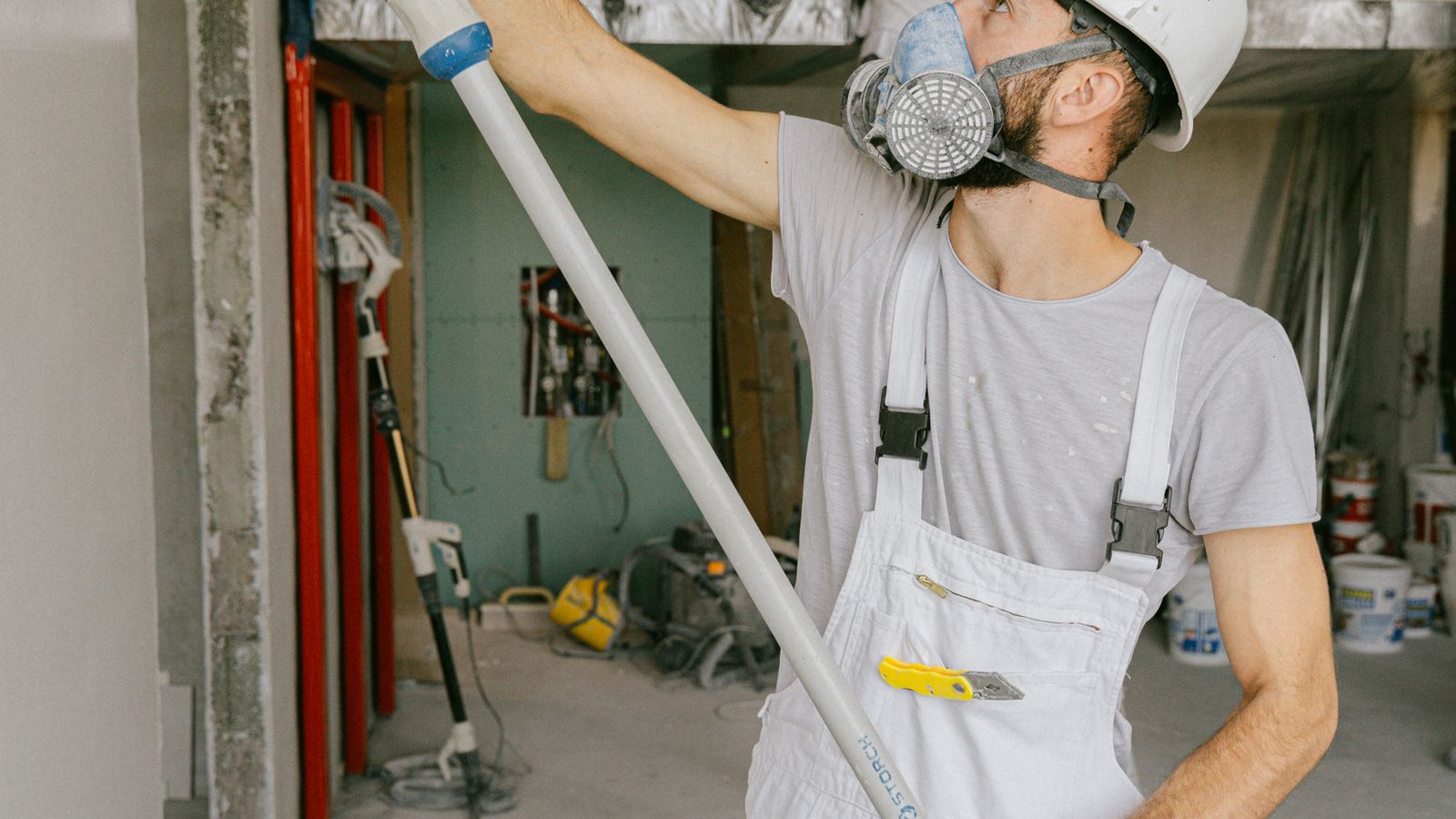
Plan furniture moves while rooms are being updated
Keep delivery, storage and people moving without turning an ordinary project into a sequence of blocked doors.
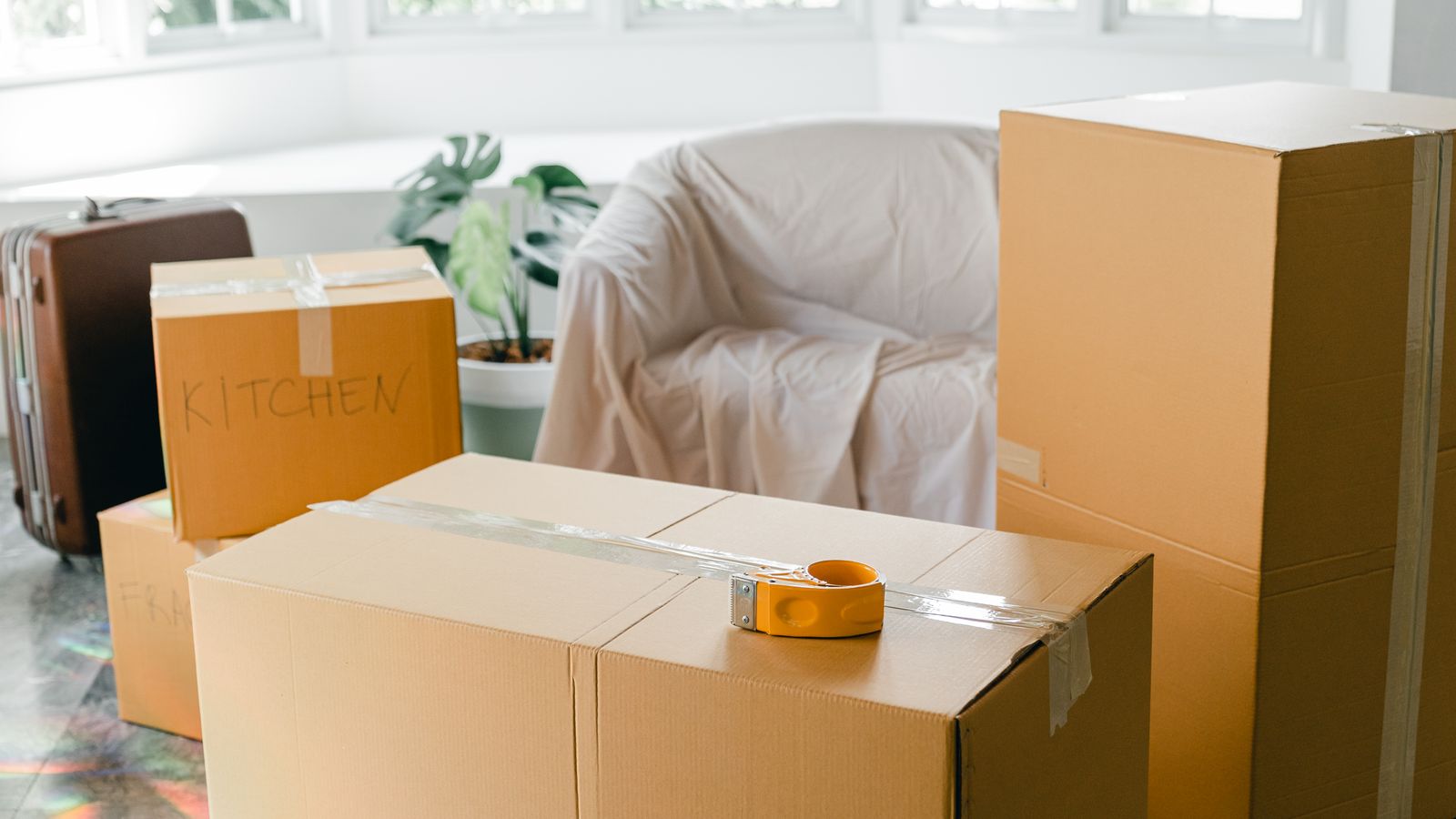
Give every large object a destination before lifting it
Furniture usually moves twice during a room update. First it gets out of the way of the work. Then it comes back after several other things have arrived, moved or disappeared. Write down which items stay in the home, which get stored outside the work area and which will leave. Add pieces that hide under the obvious ones, including rugs, lamps and stacks of boxes behind furniture. A plan that marks only the largest object often runs out of clear space before that object approaches the door.
Record the temporary location and the date each item has to arrive there. Ask the people doing the work when they need full access to the floor, both sides of a wall or the route to an adjacent room. Some assignments can be staggered while others require the whole area to be empty. Check with the team rather than relying on an idea of how long each step ought to take. If you plan to leave something within the work area, ask how it will affect access and what protection is required and appropriate. Be ready to move it farther away if the position interferes.
Choose a destination that allows you to take the item out again in the order it will return. A chair parked at the back of the dining room may be impossible to reach while the heaviest boxes are still in front of it. Draw a tiny plan of the temporary room and decide where you will walk. Mark anything that needs to remain usable, such as an exterior door, a utility control or the family's usual path. Reserve those clearances before counting how much storage space you have.
Check the whole route rather than the narrowest door
Measure in the position the object will travel. Include components that project, things under the piece and any approved moving or protective gear needed along the route. Ask whether legs, doors or components can be removed under the manufacturer's directions before counting on a smaller size. An unusual union of wide handles and narrow doorways can make a piece difficult to rotate even when its dimensions appear promising. Measure the turning space before and after the opening and the height where a piece would need to tip. Keep people clear of any unsafe lifting trial.
Walk the route with an empty box or a sized lightweight mock-up if it helps you picture the turns. Look at changes in floor level, railings and the low ceiling over a stair. Include the outside approach, a shared corridor or a lift when the object leaves a particular floor. Check building arrangements for access and how common paths will stay clear. Never use an exit or emergency route as a parking spot. A plan may need someone to coordinate doors or wait for a delivery time rather than ask two people carrying a load to negotiate an approaching group.
Discuss anything heavy, tall, fragile or hard to handle with qualified movers or someone equipped for the work. Give them the dimensions, approximate weight information and the expected approach. Ask what they will need to protect the object and surface and whether the route should be clear of other activity. A large chest may be simple on a straight level route and a much bigger task on a stair. Give awkward conditions attention before assuming an extra person will make a lift safe. Do these checks while there is still time to choose a different temporary destination.
Leave one clear room for the problems renovation cannot pause
People still need to sleep, dress, eat and get to whatever room stays in use. Choose a place for the essentials and keep it off the construction route as far as practical. Label a box or drawer for the first things you will need each day and leave it accessible at a useful height. A phone charger, ordinary shoes, medication stored as directed and work items are poor candidates for an unknown box at the back of a room.
Take a photo of cords, parts and small items only when it helps you put them back. Pack screws and fittings with the matching furniture where safe, or in a small labeled case whose location everybody knows. Put labels on visible ends of boxes, including the destination and a short indication of contents. Make one box available for the first phase of return and mark it separately. At bedtime on the day of the move, it should be possible to find an item without shifting a piece that takes two people to move.
If a spare room becomes storage, decide which furniture it still needs to keep working. Leave clear routes, exits and access to necessary supplies. Avoid storing things in damp locations or against equipment that needs airflow or servicing, and follow directions about suitable environments. A move intended to keep furniture away from renovation dust can create a different problem if the temporary room is too humid or busy for the pieces inside it. Choose the storage area by these real conditions and by how you will access it over time.
Match the move to the work schedule one sequence at a time
Choose arrival times for deliveries, removal and work days so large pieces do not meet each other around the same corner. Ask the people updating the room which tools and materials need the same corridor and how long they need clear access. A properly staged sofa may still block the route if a new work top arrives before the storage room empties. Use a shared schedule with a contact person who can move a slot and notify everyone affected. Arrange who handles any approved short-term stop for goods while a space is checked.
Account for room changes that alter the arrival route. A new floor may raise the threshold. A new door handle can project near the turn that a large object used to manage. Inspect those parts before giving the moving team a green light. Confirm when lifting equipment and people can cross completed surfaces and what protection is permitted. Some protection products can interfere with curing finishes or leave marks. Follow floor, paint and other manufacturers’ protection instructions along with any advice specific to the installed work.
Give storage services or delivery teams information that helps them hand items over in the right order. Ask about the packing and storage conditions suitable for the furniture, particularly if the temporary period becomes longer than first planned. If you are packing yourself, use methods appropriate for each item and avoid wrapping against a finish that needs time before being covered. Store loose parts securely where they will not scratch or load the item. Take photos of notable existing damage when that will help the people receiving and moving it see the condition.
Make a return decision for each vulnerable surface
The work can look finished before it is ready for a rug, a heavy cabinet or a normal cleaning routine. Ask for written instructions about when and how the particular surfaces can be used. Get the answers separately for walking on a floor, covering it, placing heavy items and cleaning it. Paint and adhesives may have their own schedules. A date derived from the easiest activity can be much too early for another. Confirm the instructions from the installer and product maker for the actual work before scheduling heavy moves.
Look at the empty room once before large furniture comes in. This is a practical time to see an edge likely to disappear behind a bookcase or a wall area you will not reach again easily. Agree with the work team on any access they still need to do checks or corrections. If a needed part of the room remains under protection or awaiting a visit, leave that area clear and decide what furniture can safely return to another part. A corrected schedule may be slightly inconvenient while still saving a second full move.
Plan how each item crosses the structure from the entrance to its position. Use suitable equipment and methods and follow approved surface protection guidance. Avoid dragging, and ask movers to use the agreed route. Lay the room out in the order that puts the larger items where they belong before tables, boxes and accessories take up space. Keep another person available to make decisions if a placement or turn does not work as expected. A clear route during the move is still worth preserving after the first piece is set down.
Restore the essential positions before the storage list disappears
Start with the object that makes the room usable. Put the bed, dining table or familiar chair back in place, then bring in the box containing its early essentials. Check whether usual doors, drawers and switches still work with the changed floor or furniture arrangement. Tools and packaging should continue to have a temporary home outside the main route until they can leave the space. Avoid letting the last few boxes settle into a new permanent obstacle simply because the room is too busy to sort them that day.
Keep the move sheet until you can match each item to its new or original destination. Save care instructions for the surfaces that set the return schedule and record any changed route that will matter for future furniture. A room may have a different turn after a door or cabinet is installed. An updated sketch and one photo can save time when the next delivery arrives. The move is finished when the necessary items are reachable, completed work is protected as directed and a person can reach every ordinary room without finding a box in the way.